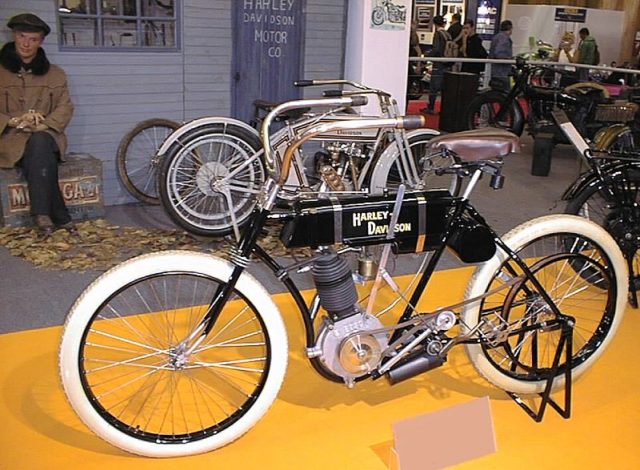
How Harley-Davidson Revolutionized the Motorcycle Industry
The roar of a Harley-Davidson engine is unmistakable. For more than a century, the brand has represented more than just motorcycles; it has become a symbol of freedom, innovation, and American engineering. Understanding Harley-Davidson history provides a window into how one company not only transformed the motorcycle industry but also influenced culture, technology, and lifestyle worldwide.
Harley-Davidson didn’t achieve its iconic status overnight. From its humble beginnings in a small Milwaukee workshop to becoming a global powerhouse, the company’s journey is a testament to innovation, resilience, and vision. This article explores how Harley-Davidson has revolutionized the motorcycle industry, examining its technological breakthroughs, cultural impact, and business strategies that have set it apart from competitors.
Pioneering Innovation in Motorcycle Engineering
When Harley-Davidson first emerged in 1903, motorcycles were often seen as simple motorized bicycles. The founders—William S. Harley and Arthur Davidson—envisioned motorcycles as powerful machines capable of performance, reliability, and long-distance travel. Their early innovations included introducing robust V-twin engines and durable frames that could handle rough American roads, setting new standards for motorcycle engineering.
The company was among the first to recognize that motorcycle enthusiasts valued performance as much as reliability. Harley-Davidson continually experimented with engine designs, suspension systems, and materials to improve ride quality. Over the decades, innovations like the introduction of overhead valves, improved carburetors, and vibration-damping engines allowed Harley-Davidson motorcycles to deliver both power and comfort, raising the bar for the entire industry.
Moreover, Harley-Davidson played a critical role in shaping the design language of motorcycles. The company’s emphasis on a balanced blend of mechanical performance and aesthetic appeal inspired other manufacturers to prioritize both function and style, a standard that remains today.
Shaping Motorcycle Culture
While technical innovation was essential, Harley-Davidson’s influence on motorcycle culture has been equally transformative. In the mid-20th century, Harley-Davidson motorcycles became synonymous with freedom, rebellion, and the open road. Films, literature, and music frequently celebrated Harley riders, embedding the brand into American cultural consciousness.
The post-World War II era was particularly significant. Returning soldiers, many of whom had trained on military motorcycles, sought machines that combined power and independence. Harley-Davidson met this demand, and its motorcycles became central to the burgeoning biker subculture. Clubs, rallies, and cross-country rides popularized a sense of community among riders, establishing traditions that continue to thrive today.
By fostering this cultural identity, Harley-Davidson expanded its impact beyond engineering. It became not just a motorcycle manufacturer but a lifestyle brand. The sense of belonging and shared passion created around the brand has ensured customer loyalty across generations, a feat few companies in any industry achieve.
Strategic Business Decisions that Influenced the Market
Harley-Davidson’s success is also rooted in its strategic business decisions, which often redefined the motorcycle market. Unlike some competitors who focused primarily on affordability or mass production, Harley-Davidson emphasized quality, customization, and brand prestige. This approach allowed the company to command premium pricing while creating a loyal customer base that valued more than just the vehicle itself.
During the 1980s, Harley-Davidson faced significant challenges due to competition from Japanese manufacturers, who offered technologically advanced motorcycles at lower prices. Instead of attempting to compete solely on price, Harley-Davidson doubled down on its brand heritage, introducing marketing campaigns that emphasized authenticity, American craftsmanship, and the company’s storied history. This approach not only preserved market share but also enhanced brand prestige, proving that identity and emotional connection can be as powerful as technical innovation.
Additionally, Harley-Davidson pioneered the concept of customization as a core business strategy. By offering a wide range of aftermarket parts, accessories, and personalized options, the company transformed motorcycles into self-expression tools. This strategy created an entirely new ecosystem within the industry, encouraging aftermarket innovation and inspiring competitors to follow suit.
Contributions to Motorcycle Safety and Reliability
While Harley-Davidson is often celebrated for style and performance, its contributions to safety and reliability have had a lasting industry-wide impact. Early motorcycles faced challenges such as mechanical failures, poor braking systems, and inconsistent handling. Harley-Davidson addressed these issues proactively, introducing advanced braking technology, reinforced frames, and more stable suspension systems.
The company’s dedication to durability has been particularly significant for long-distance riders. Harley-Davidson motorcycles became the preferred choice for endurance tours, cross-country journeys, and professional competitions due to their ability to withstand harsh conditions without frequent mechanical failures. This emphasis on reliability forced other manufacturers to raise their standards, contributing to overall improvements in motorcycle engineering globally.
Furthermore, Harley-Davidson has often collaborated with regulatory bodies and safety organizations to promote rider education and awareness. By supporting training programs and safety initiatives, the brand not only protected its customers but also influenced broader industry practices regarding motorcycle safety and responsibility.
A Legacy of Inspiration and Influence
Harley-Davidson’s impact extends far beyond its motorcycles. Its legacy has inspired new generations of riders, engineers, and entrepreneurs to push boundaries and innovate. Many modern motorcycle manufacturers still look to Harley-Davidson as a benchmark for combining technical excellence with cultural relevance.
The company’s influence is evident in the thriving motorcycle tourism industry, where cross-country rides and biker rallies contribute significantly to local economies. Harley-Davidson dealerships have become community hubs, hosting events, workshops, and social gatherings that extend the brand’s influence well beyond commerce.
Even in the era of electric motorcycles and rapidly advancing transportation technologies, Harley-Davidson continues to adapt while preserving its heritage. The introduction of electric models demonstrates the company’s willingness to innovate responsibly, blending modern sustainability with classic design principles. This ability to balance tradition with progress ensures that Harley-Davidson’s influence will remain relevant for decades to come.
Conclusion
The story of Harley-Davidson is more than a corporate history; it is a testament to innovation, culture, and enduring vision. By pioneering engineering advances, shaping motorcycle culture, making strategic business decisions, and emphasizing safety and reliability, Harley-Davidson revolutionized the motorcycle industry. Understanding Harley-Davidson history allows enthusiasts and industry observers alike to appreciate the brand’s far-reaching influence, which spans technology, lifestyle, and culture.
Keep an eye for more latest news & updates on Instafest!