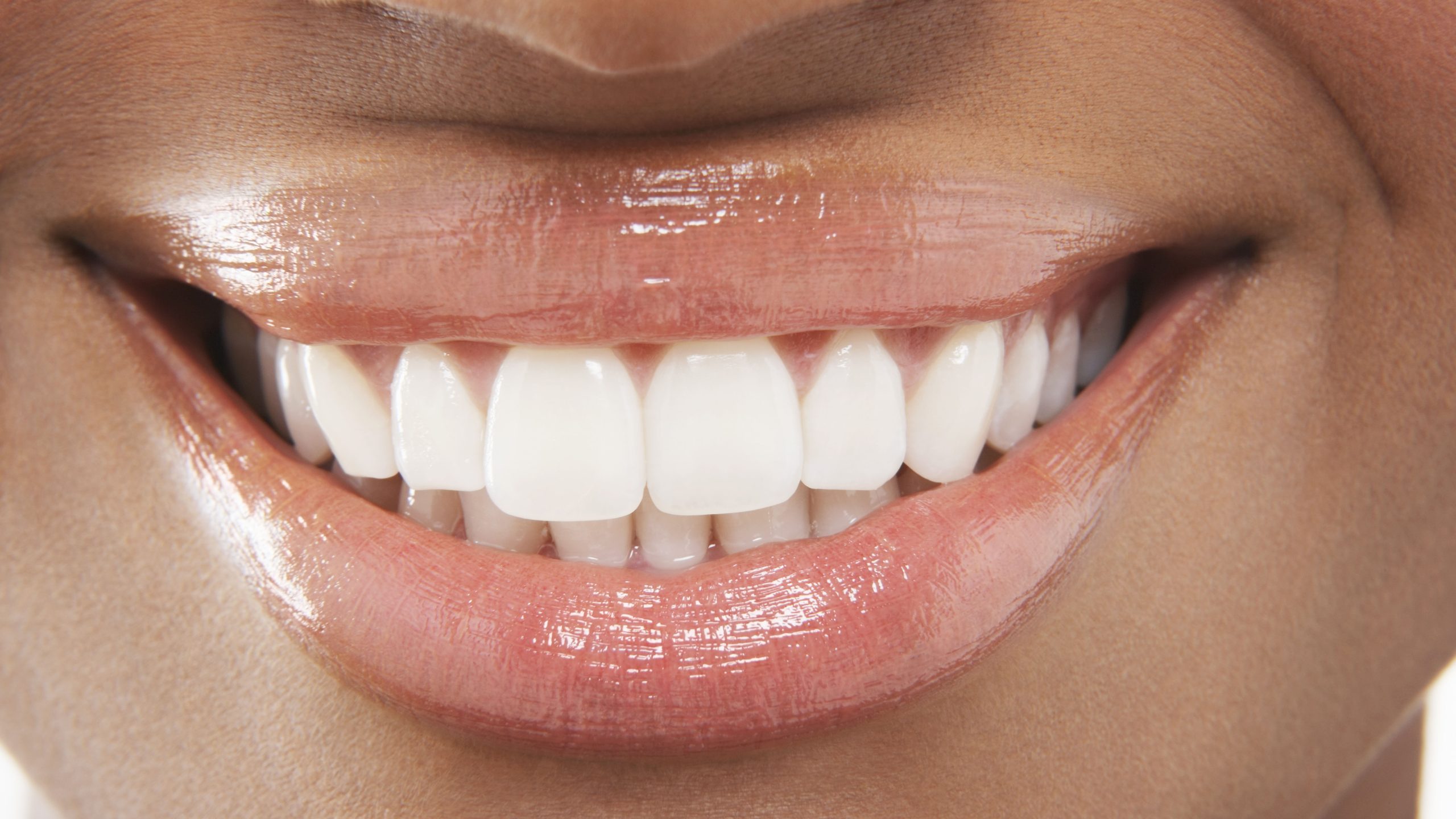
The Latest Innovations in Cosmetic Dentistry for a Perfect Smile
A confident smile can transform the way we interact with the world. With recent advancements in dental technology, achieving a flawless, radiant smile has never been more accessible. Patients are no longer limited to traditional methods; modern cosmetic dentistry innovations are reshaping what’s possible, combining science, artistry, and precision to enhance oral aesthetics while improving overall dental health. For those seeking to explore these breakthroughs, cosmetic dentistry innovations provide not just beauty, but function, comfort, and long-term results.
Cosmetic dentistry has evolved dramatically over the past decade. Procedures that once required invasive techniques or multiple visits are now streamlined, less painful, and more durable. Dentists now leverage cutting-edge technology, from digital imaging and 3D printing to advanced restorative materials, allowing for treatments that are tailored to each patient’s unique facial structure and dental needs. This article explores some of the most remarkable innovations that are shaping the field today, offering a glimpse into the future of smile design.
Digital Smile Design: Personalized Aesthetics
One of the most transformative trends in cosmetic dentistry is digital smile design (DSD). This technology allows dental professionals to create highly personalized treatment plans using sophisticated software that maps a patient’s facial structure, teeth, and smile dynamics. By combining 3D imaging, digital photography, and virtual modeling, dentists can simulate treatment outcomes before any procedure begins.
DSD empowers patients to visualize their potential results, making it easier to collaborate with their dentist on aesthetic goals. Whether considering veneers, crowns, or orthodontic adjustments, the precision of digital design ensures that the final smile is harmonious with the patient’s overall facial features. Beyond aesthetics, DSD enhances procedural efficiency and minimizes the margin of error, reflecting a broader commitment to patient-centered care.
3D Printing and Advanced Restorative Materials
Another significant advancement is the use of 3D printing in cosmetic dentistry. 3D printing technology allows for the rapid production of dental models, crowns, bridges, and aligners with extraordinary accuracy. This innovation reduces turnaround times, enabling patients to receive complex restorations in fewer appointments. Additionally, 3D-printed surgical guides facilitate precise implant placement, enhancing both functionality and cosmetic outcomes.
Complementing 3D printing is the development of new restorative materials that mimic the natural translucency and strength of real teeth. Zirconia and lithium disilicate ceramics, for example, offer unmatched durability and aesthetic appeal. These materials are resistant to chipping and staining, ensuring that cosmetic enhancements maintain their brilliance over time. By combining advanced materials with precise manufacturing techniques, dentists can create restorations that look indistinguishable from natural teeth, redefining patient expectations for longevity and appearance.
Minimally Invasive Cosmetic Procedures
Patients increasingly prioritize treatments that are effective yet minimally invasive. Innovations in this area allow for cosmetic improvements without extensive drilling or alteration of natural tooth structure. Procedures such as enamel reshaping, microabrasion, and tooth-colored bonding now offer aesthetic enhancements with minimal discomfort and rapid recovery.
Laser dentistry has further expanded the possibilities for minimally invasive care. Dental lasers can perform precise tissue sculpting, gum contouring, and even cavity removal with reduced bleeding, swelling, and healing time compared to traditional methods. This approach not only preserves more of the patient’s natural anatomy but also supports faster, more comfortable treatment experiences—encouraging more people to invest in their smiles.
Teeth Whitening and Stain Removal Breakthroughs
A bright, white smile remains one of the most sought-after cosmetic goals, and recent innovations in whitening technology have made it more effective, safer, and longer-lasting. Professional-grade whitening systems now utilize advanced bleaching agents combined with light activation or heat technology to accelerate results while protecting enamel.
In addition, customized at-home whitening trays created through digital impressions allow patients to continue maintenance safely between office visits. New stain-removal methods also target intrinsic discoloration caused by aging, medications, or trauma, providing solutions that traditional whitening could not address. These advancements give patients greater control over the appearance of their teeth and deliver predictable, consistent outcomes.
Orthodontic Innovations: Beyond Braces
Orthodontics has traditionally been associated with cumbersome metal braces, but modern cosmetic dentistry innovations have introduced discreet and efficient alternatives. Clear aligners, powered by 3D modeling and predictive software, now allow for precise tooth movement without the aesthetic drawbacks of traditional braces. These aligners are removable, virtually invisible, and designed for optimal comfort, making them appealing to adult patients who seek cosmetic correction without compromising daily life.
Accelerated orthodontic treatments, including devices that apply micro-vibrations or low-level laser therapy, can also reduce the time required to achieve desired results. By integrating technology and aesthetics, these orthodontic solutions exemplify how cosmetic dentistry is not only about appearance but also about patient experience and convenience.
Integrating Function and Aesthetics
While much of cosmetic dentistry focuses on visual appeal, contemporary practice emphasizes the integration of function with aesthetics. Dental implants, for example, provide a permanent solution for missing teeth that looks natural and restores chewing efficiency. Advanced imaging and guided implant placement ensure precision and reduce complications, giving patients both confidence and comfort.
Moreover, occlusal analysis and digital bite assessments allow dentists to consider the functional harmony of a smile alongside its appearance. This holistic approach ensures that cosmetic treatments do not compromise oral health, reinforcing the principle that a truly perfect smile is both beautiful and functional.
The Role of Patient Education and Collaboration
An essential component of successful cosmetic dentistry is informed decision-making. Innovations like digital imaging and virtual simulations also serve an educational purpose, helping patients understand the potential outcomes and limitations of various treatments. By fostering collaboration between dentist and patient, these tools promote transparency, realistic expectations, and satisfaction with the final results.
This emphasis on patient engagement reflects a broader trend in healthcare toward evidence-based, participatory care. Patients are increasingly empowered to make choices that align with their personal goals, lifestyle, and long-term oral health—a development that underscores the ethical responsibility and expertise required in cosmetic dentistry today.
Conclusion
The field of cosmetic dentistry is evolving at an unprecedented pace, driven by technology, materials science, and patient-centered innovation. From digital smile design and 3D printing to minimally invasive procedures, advanced whitening, and discreet orthodontic solutions, the possibilities for enhancing smiles have expanded dramatically. These advances do more than improve aesthetics—they enhance comfort, function, and overall confidence, demonstrating the holistic value of modern cosmetic dentistry.
Keep an eye for more latest news & updates on Instafest!