Modern Thermal Curtains for Reducing Heat Transfer Through Large Windows
Modern thermal curtains are an increasingly popular solution for improving comfort around large residential windows. Floor-to-ceiling glazing, sliding glass doors, picture windows, and wide living-room windows can make interiors feel bright and spacious, but they can also increase unwanted heat transfer. During hot weather, solar heat may enter through the glass and raise indoor temperatures. In colder seasons, large glazed areas can contribute to heat loss and make rooms feel less comfortable near the window.
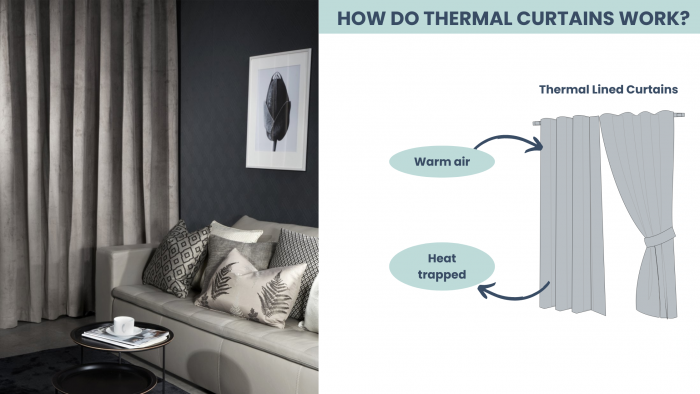
Thermal curtains are designed to reduce these effects by creating an additional insulating layer between the window and the room. Unlike lightweight decorative curtains, thermal curtains usually use dense fabrics, multiple layers, insulating backings, or specially designed linings to slow heat movement.
They can be particularly useful in bedrooms, living rooms, apartments, home offices, and family spaces with large windows. When correctly sized and installed, they can improve temperature control, reduce drafts, limit glare, support privacy, and enhance the overall interior design.
What Are Thermal Curtains?
Thermal curtains are window coverings designed to reduce heat transfer between indoor and outdoor environments.
They often contain more than one layer.
A typical thermal curtain may include:
- Decorative outer fabric
- Dense woven middle layer
- Insulating foam or acrylic backing
- Reflective lining
- Blackout layer
- Protective inner fabric
The exact construction varies by manufacturer.
Some thermal curtains look similar to conventional drapes, while others are heavier and more structured.
The insulating effect comes from both the curtain material and the air space created between the fabric and window.
Why Large Windows Lose and Gain More Heat
Large windows provide more exposed glazing area than small windows.
This can increase several forms of heat transfer.
During colder weather, warm indoor air can lose heat through the glazing.
During hot weather, sunlight passing through the glass can warm floors, furniture, and interior surfaces.
Large windows can also create noticeable radiant temperature differences.
For example, sitting near a cold window in winter may feel uncomfortable even if the room thermostat shows a normal temperature.
Thermal curtains help create a buffer between the glazing and occupied space.
How Thermal Curtains Reduce Heat Transfer
Thermal curtains work through several mechanisms.
Creating an Insulating Air Layer
When curtains are closed, a layer of relatively still air becomes trapped between the curtain and window.
Air is a poor conductor of heat compared with many solid materials.
Reducing air movement around the glass can therefore help slow heat transfer.
Adding Material Resistance
Dense fabrics and insulating layers create additional resistance to heat flow.
The thicker and more effective the curtain construction, the greater the potential improvement.
Reducing Solar Radiation
Certain curtain linings reflect or block a portion of incoming sunlight.
This can help reduce solar heat gain during hot periods.
Limiting Drafts
Although curtains do not seal a poorly installed window, they can reduce the sensation of cold air movement near the glass.
Thermal Curtains vs Standard Curtains
Standard decorative curtains are primarily intended for:
- Privacy
- Appearance
- Light control
Thermal curtains provide these functions while also focusing on insulation.
The difference is generally found in their:
- Fabric density
- Number of layers
- Backing materials
- Overall weight
- Fit around the window
A thin sheer curtain provides very little thermal resistance compared with a full-length lined thermal curtain.
However, aesthetic and thermal functions can be combined by layering sheers with heavier thermal drapes.
Thermal Curtains vs Blackout Curtains
Thermal and blackout curtains are often confused because some products provide both functions.
Blackout curtains are designed mainly to block light.
Thermal curtains are designed mainly to reduce heat movement.
A blackout curtain may also offer thermal benefits if it is thick and well lined.
Similarly, a thermal curtain may include a blackout layer.
For bedrooms and media rooms, choosing a curtain that provides both insulation and light blocking can be practical.
Best Materials for Thermal Curtains
Material selection has a significant effect on performance and appearance.
Polyester
Polyester is widely used because it is durable, relatively affordable, and available in many textures.
Thermal polyester curtains often include an insulating or blackout backing.
They are also easier to maintain than many natural fabrics.
Velvet
Velvet is naturally dense and can provide an excellent heavy drape.
It creates a luxurious appearance and works well in:
- Bedrooms
- Formal living rooms
- Luxury apartments
- Traditional-modern interiors
Its weight can help reduce drafts and increase thermal performance.
Heavy Cotton Blends
Cotton-blend fabrics can provide a softer, more natural look.
When combined with thermal lining, they can work effectively in modern family interiors.
Linen-Look Synthetic Fabrics
True linen is attractive but may be too lightweight by itself for strong thermal performance.
Linen-look synthetic fabrics can provide the same relaxed appearance while incorporating heavier backing layers.
Multi-Layer Thermal Curtains
Multi-layer construction generally offers better insulation than a single layer of fabric.
A high-performance curtain may combine:
- Decorative face fabric
- Foam layer
- Reflective layer
- Blackout layer
Each layer performs a different function.
The outer fabric determines the appearance, while the hidden layers improve heat control.
This makes it possible to achieve a modern interior design without making the room look overly functional.
Thermal Curtains for Floor-to-Ceiling Windows
Floor-to-ceiling glazing is common in modern apartments and contemporary homes.
These windows can create dramatic views, but they also present a large surface for heat transfer.
Thermal curtains should ideally extend:
- From near the ceiling
- Down to the floor
- Beyond the sides of the window
This full-height installation reduces gaps where warm or cool air can circulate.
Ceiling-mounted tracks can create a cleaner appearance than traditional curtain rods.
They also allow curtains to cover the full height of the wall.
Thermal Curtains for Sliding Glass Doors
Sliding doors require curtains that are easy to open and close.
Wide thermal curtain panels can be mounted on:
- Ceiling tracks
- Heavy-duty rods
- Traverse systems
- Motorized curtain tracks
The curtain should clear the door easily when open.
For very wide openings, multiple panels may be easier to operate than one large curtain.
A center-opening configuration can also improve convenience.
Choosing the Correct Curtain Width
Curtain width is important for both appearance and insulation.
Curtains should be wider than the actual window opening.
Extra width allows the fabric to overlap the edges and reduce air movement.
If curtains stop exactly at the window frame, heat can escape around the sides.
For a fuller appearance, the total fabric width is often greater than the window width.
A generous width also creates deeper folds, which can add another layer of trapped air.
Curtain Length and Thermal Performance
For large windows, floor-length curtains are usually more effective than short curtains.
Curtains that end well above the floor can allow air to circulate underneath.
This reduces the insulating effect.
Ideally, thermal curtains should:
- Reach the floor
- Lightly touch it
- Or finish very close to it
However, excessive fabric pooling may collect dust and can be inconvenient in busy family spaces.
Mounting Curtains Above the Window
Installing the curtain rail above the window can improve both appearance and performance.
A high-mounted curtain can cover more of the wall around the glazing.
This reduces gaps near the top.
It can also make ceilings appear higher.
For modern interiors, a ceiling-mounted track provides a particularly clean result.
Extending Curtains Beyond Window Sides
Curtains should also extend past the window frame on both sides.
This helps reduce lateral air movement.
Wide curtains can also be pulled completely away from the glazing during the day to maximize daylight.
When closed, the additional side coverage creates a more continuous barrier.
Thermal Curtain Linings
The lining is one of the most important features of a thermal curtain.
Different lining types offer different benefits.
Foam-Backed Linings
Foam layers increase insulation while adding body to the curtain.
Blackout Linings
These reduce sunlight and are particularly useful in bedrooms.
Reflective Linings
Reflective surfaces may reduce solar heat gain by reflecting some incoming radiation back toward the window.
Detachable Linings
Some curtains allow insulating liners to be attached during colder months and removed when not required.
This provides seasonal flexibility.
Using Thermal Curtains During Summer
Thermal curtains can help reduce indoor heat during warm weather, especially when closed before strong sunlight reaches the window.
They are most effective on windows exposed to:
- Afternoon sun
- Direct west-facing sunlight
- Large areas of glazing
Closing curtains before the room heats up is usually more effective than closing them after surfaces are already warm.
Light-colored or reflective backings may help reduce solar absorption.
Using Thermal Curtains During Winter
During winter, thermal curtains help reduce heat loss and improve comfort near cold windows.
They are especially useful at night.
During sunny winter days, opening curtains can allow beneficial solar warmth into the room.
They can then be closed after sunset to reduce heat loss.
This simple routine can improve comfort without requiring mechanical controls.
Thermal Curtains and Double Glazing
Double glazing already provides better insulation than single glazing.
Thermal curtains can provide an additional layer.
The combination can be especially useful for:
- Large windows
- Older double-glazed units
- Exposed locations
- Rooms with substantial night-time heat loss
Curtains should not be considered a replacement for damaged or poorly sealed windows, but they can complement efficient glazing.
Thermal Curtains for Single-Glazed Windows
Single glazing generally transfers heat more readily than modern insulated glazing.
Heavy thermal curtains can therefore make a noticeable difference in comfort.
However, they do not solve all performance problems.
Older windows may also require:
- Weatherstripping
- Seal replacement
- Frame repair
- Secondary glazing
Combining these measures with thermal curtains can provide better results.
Modern Thermal Curtain Styles
Thermal curtains no longer need to look bulky or old-fashioned.
Contemporary styles include:
- Ripple-fold panels
- Wave curtains
- Pinch pleats
- Eyelet curtains
- Flat-panel designs
- Ceiling-track curtains
Wave and ripple-fold styles are particularly popular because they create consistent vertical folds.
This works well with minimalist interiors.
Neutral Thermal Curtains
Neutral colors are easy to coordinate with modern rooms.
Popular shades include:
- Warm white
- Beige
- Taupe
- Light gray
- Charcoal
- Soft brown
Neutral curtains allow other interior features to remain visually dominant.
They also work well in open-plan spaces where curtain colors need to coordinate with several furniture zones.
Dark Thermal Curtains
Dark colors create a dramatic appearance.
Popular choices include:
- Navy
- Charcoal
- Deep green
- Black
- Chocolate brown
They work particularly well in bedrooms and luxury living rooms.
However, very dark external-facing surfaces may absorb more solar heat, so the backing material should be considered separately from the decorative interior color.
Light-Colored Thermal Curtains
Light-colored curtains can make a room appear larger and brighter.
They are particularly suitable for:
- Small apartments
- Coastal interiors
- Scandinavian spaces
- Warm climates
A light decorative face can still contain a darker or reflective insulating backing.
This allows homeowners to maintain a bright interior without sacrificing performance.
Thermal Curtains for Bedrooms
Bedrooms benefit from thermal curtains because temperature and light control can both affect comfort.
Curtains with blackout properties are useful for:
- Night-shift workers
- Children’s bedrooms
- Rooms exposed to streetlights
- Early morning sunlight
The thermal layer can also reduce the cold feeling near large bedroom windows during winter.
Thermal Curtains for Living Rooms
Living rooms often contain some of the largest windows in the home.
Thermal curtains can soften the appearance of extensive glazing while improving comfort.
For modern living spaces, full-height curtains can frame windows without covering them permanently.
During the day, panels can be stacked to the sides.
At night or during extreme weather, they can be drawn across the entire glazing area.
Thermal Curtains for Home Offices
Large windows can create glare on computer screens.
Thermal curtains can help control both glare and heat.
For better flexibility, they can be combined with:
- Sheer curtains
- Roller blinds
- Solar shades
The sheer layer provides daytime privacy and softer light, while the thermal curtain is used when stronger heat or glare control is needed.
Combining Thermal Curtains With Blinds
Layering curtains with blinds can improve both appearance and performance.
A common modern arrangement is:
Sheer roller blind + thermal curtain.
Another option is:
Venetian blind + lined drape.
The blind provides precise daylight control, while the curtain adds insulation and visual softness.
Thermal Curtains and Exterior Shading
Exterior shading systems such as awnings and external blinds block solar energy before it reaches the glass.
Thermal curtains work from inside.
Using both can provide stronger control around large windows.
For example:
- Exterior awning reduces direct summer sun
- Thermal curtain reduces residual heat transfer
- Double glazing provides additional insulation
This layered approach can be especially effective in highly exposed rooms.
Motorized Thermal Curtains
Motorized curtain tracks are increasingly popular in modern homes.
They are particularly useful for very large or tall windows.
Motorized curtains can be controlled by:
- Remote controls
- Wall switches
- Smartphones
- Voice assistants
- Timers
- Smart-home systems
Automation can make it easier to close curtains during peak heat periods or after sunset.
Smart Thermal Curtain Scheduling
Automated schedules can improve consistency.
For example, curtains can be programmed to:
- Close before intense afternoon sunlight
- Open in the morning during winter
- Close automatically after sunset
- Coordinate with heating or cooling systems
This can support passive temperature control without requiring constant manual adjustment.
Thermal Curtains and Interior Design
Thermal curtains should be selected as part of the overall room design.
The fabric can coordinate with:
- Upholstery
- Rugs
- Wall colors
- Flooring
- Furniture
- Decorative cushions
Modern interiors often use curtains in colors similar to the wall.
This creates a seamless appearance and allows the glazing to feel larger.
Contrasting curtains can instead create a stronger architectural feature.
Cleaning and Maintenance
Thermal curtains may require more care than lightweight curtains because of their multiple layers.
Always check the care label.
Maintenance may include:
- Regular vacuuming
- Gentle dust removal
- Spot cleaning
- Professional cleaning
- Machine washing where permitted
Foam-backed and coated curtains should not automatically be washed in the same way as ordinary fabric.
Incorrect cleaning can damage the insulating layer.
Preventing Condensation Behind Thermal Curtains
Closing heavy curtains can sometimes reduce airflow around cold windows.
In certain conditions, this may increase condensation on the glass.
To reduce this risk:
- Ventilate the room properly
- Control indoor humidity
- Open curtains periodically
- Check window seals
- Allow some air movement where necessary
Persistent condensation should be investigated rather than hidden behind curtains.
Common Thermal Curtain Mistakes
Several installation mistakes can reduce performance.
Common problems include:
- Curtains that are too narrow
- Curtains that stop too high above the floor
- Large gaps at the top
- Lightweight unlined fabric
- Poorly fitted curtain tracks
- Using damaged thermal backing
- Ignoring window air leaks
The curtain should create a relatively complete barrier around the glazing.
Choosing Thermal Curtains for High-Traffic Family Rooms
Family spaces require durable fabrics.
Consider:
- Washability
- Stain resistance
- Strong seams
- Easy-glide tracks
- Child-safe hardware
- Fabric weight
Very delicate fabrics may look attractive but can be difficult to maintain around children and pets.
Polyester blends and durable lined fabrics often provide a better balance between appearance and practicality.
Are Thermal Curtains Energy Efficient?
Thermal curtains can reduce unwanted heat transfer, but their actual effect varies.
Performance depends on:
- Window quality
- Curtain thickness
- Fit
- Installation
- Outdoor temperature
- Solar exposure
- How frequently curtains are opened
They should be treated as one part of a broader energy-efficiency strategy.
Insulation, glazing, air sealing, and appropriate shading remain equally important.
Frequently Asked Questions
Do thermal curtains actually reduce heat transfer?
Yes. Their insulating layers and trapped air space can reduce heat movement through and around windows when they are properly installed.
Are thermal curtains useful in summer?
Yes. Closing them during periods of direct sunlight can reduce solar heat entering through large windows.
Do thermal curtains help in winter?
Yes. They can reduce heat loss and improve comfort near cold glazing, particularly at night.
Are blackout curtains the same as thermal curtains?
Not always. Blackout curtains focus on light control, while thermal curtains focus on insulation. Some products provide both functions.
Should thermal curtains touch the floor?
Full-length curtains that reach or nearly reach the floor can reduce air circulation underneath and generally provide better thermal performance.
Can thermal curtains be used with blinds?
Yes. Combining blinds with thermal curtains can improve daylight control, privacy, and insulation.
Are thermal curtains suitable for sliding doors?
Yes. Wide panels on ceiling tracks or heavy-duty curtain systems can work well around sliding glass doors.
Can thermal curtains stop condensation?
They can help with heat transfer, but they do not directly solve humidity or window defects. In some situations, reduced airflow behind curtains may actually increase condensation.
Final Thoughts
Modern thermal curtains offer a practical way to reduce heat transfer through large windows while maintaining an attractive contemporary interior. Their dense fabrics, insulating linings, and layered construction create an additional barrier between indoor spaces and exterior glazing.
They can reduce heat gain during sunny weather, limit heat loss during colder periods, improve comfort near large windows, reduce glare, and increase privacy. Full-height installation, adequate width, side overlap, and good-quality linings are essential for effective performance.
For the best results, thermal curtains can be combined with double glazing, weather sealing, exterior shading, and smart controls. Modern wave curtains, ceiling-mounted tracks, motorized systems, and neutral fabrics make it possible to achieve strong thermal performance without compromising interior style.
When selected and installed carefully, thermal curtains can make large glazed rooms feel more comfortable, refined, and energy conscious throughout the year.