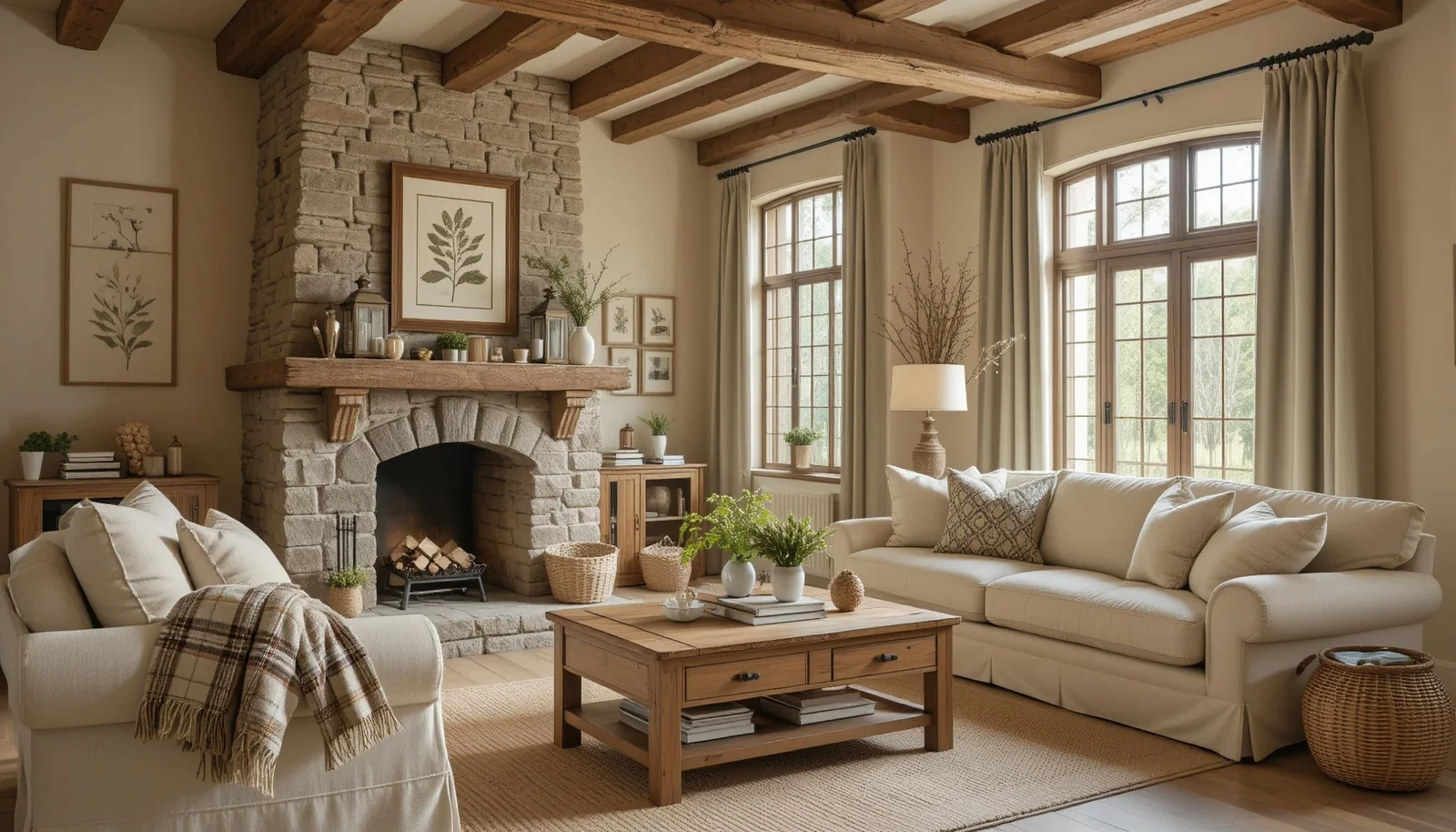
Personalised Living Room Furniture for Spaces That Feel Like Home
A living room should reflect the people who use it. From quiet evenings with family to gatherings with friends, this space needs to accommodate different activities while maintaining a welcoming atmosphere. Yet, ready-made furniture does not always suit every room’s dimensions, storage requirements or design preferences. Personalised furniture offers an alternative by allowing homeowners to consider how individual pieces will fit into their homes and support their everyday routines.
Choosing custom living room furniture gives homeowners greater flexibility over dimensions, materials, finishes and functionality. Rather than adjusting the room around standard furniture sizes, they can plan pieces according to the available space and their preferred interior style. This approach can be especially useful for homes with unusual layouts, compact living areas or specific storage needs, where carefully considered furniture can make a meaningful difference to comfort and usability.
Designing Furniture Around Your Lifestyle
The first step in planning personalised furniture is understanding how the living room is used. Some households need generous seating for family gatherings, while others prioritise a compact arrangement that leaves more room for movement. Homes used for entertaining may benefit from additional seating and convenient surfaces, whereas smaller households might prefer a simple sofa arrangement with integrated storage. These everyday requirements should guide the design before aesthetic details are finalised.
Room measurements are equally important. The position of windows, doors, electrical points and walkways can affect where furniture should be placed and how large each piece should be. A sofa that looks suitable in a showroom may overwhelm a smaller room, while a storage unit that is too shallow may not serve its intended purpose. Measuring carefully and planning the layout beforehand helps ensure that furniture complements the space instead of restricting it.
Making Better Use of Available Space
One of the main advantages of personalised furniture is the ability to make better use of the available floor area. In compact apartments, a sofa with integrated storage or a carefully sized entertainment unit can provide useful functionality without introducing unnecessary bulk. Wall-mounted shelves and built-in cabinets can also make use of vertical space, helping homeowners keep everyday belongings organised while maintaining a cleaner appearance.
Larger living rooms benefit from thoughtful zoning as well. A customised console, bookcase or seating arrangement can help distinguish a conversation area from a reading corner or entertainment space. These elements should be proportionate to the room and leave sufficient clearance for comfortable movement. The objective is not to fill every available corner but to create a layout in which each piece has a clear purpose and contributes to the overall design.
Selecting Materials and Finishes
Materials influence both the appearance and practical performance of furniture. Natural wood can introduce warmth, while laminates and other finished surfaces offer a range of colours and textures. Upholstery choices also affect the room’s character, from understated neutral fabrics to richer colours that create a focal point. The right combination depends on the household’s preferences, maintenance expectations and the atmosphere it wants to establish.
Durability should be considered alongside appearance. Families with children or pets may prefer upholstery that is easier to clean and surfaces that can withstand frequent use. Households that entertain regularly may need sturdy tables and seating designed for everyday comfort. Before selecting materials, homeowners should ask about maintenance requirements, finish options and suitability for their intended use. These practical considerations can help ensure that personalised furniture remains attractive and functional over time.
Creating a Consistent Interior Style
Furniture works best when it complements the other elements of a room. Flooring, wall colours, curtains, lighting and decorative accessories all influence how individual pieces appear within the space. A contemporary interior might combine clean-lined seating with restrained finishes, while a more traditional setting could incorporate warmer materials and decorative details. Establishing a consistent design direction helps prevent the room from feeling visually disconnected.
Homeowners do not need to match every element exactly. Carefully chosen contrasts can introduce character without disturbing the overall balance. For instance, a neutral sofa can be complemented by a textured accent chair, while a wooden coffee table may provide warmth against a lighter colour palette. The important consideration is proportion: larger furniture pieces generally establish the foundation, while smaller accessories can introduce colour and personality without overwhelming the room.
Integrating Storage into Furniture Design
Storage is often overlooked when choosing living room furniture, even though it can have a significant effect on the room’s appearance. Books, electronic accessories, games, remote controls and everyday household items need accessible places. Without adequate storage, surfaces can quickly become cluttered, making even a well-designed interior feel disorganised.
Customised cabinets, entertainment units and shelving can be planned around the items a household actually uses. Closed compartments are useful for concealing everyday belongings, while open shelves can display books, photographs and selected decorative pieces. The balance between the two depends on the desired look and the amount of storage required. Planning these features early also helps ensure that cables, electrical points and equipment have suitable positions.
Working with Interior Design Professionals
Personalised furniture involves several connected decisions, including measurements, material selection, finishes, layout and installation. Working with experienced professionals can help homeowners consider these elements together rather than making isolated choices. A design consultation can establish the room’s requirements, identify spatial constraints and clarify which furniture features are most important to the household.
Homeowners researching the best living room interior designers in bangalore should look beyond visual inspiration alone. It is useful to review relevant project portfolios, understand the design process and ask how measurements, material selections, budgets and installation timelines are handled. Clear communication helps ensure that expectations are realistic and that the proposed design responds to the actual requirements of the home.
Balancing Budget, Quality and Long-Term Use
A personalised furniture project should begin with a practical budget. The overall cost may depend on dimensions, materials, construction details, storage features and installation requirements. Prioritising the pieces that have the greatest impact on daily comfort can help homeowners allocate their budget more effectively. For example, a frequently used sofa may deserve greater attention than a decorative side table that serves a limited purpose.
It is also important to compare proposals carefully. Homeowners should clarify the materials specified, the work included, delivery arrangements and any additional charges before confirming an order. Choosing solely on the lowest price may not provide the best fit for long-term needs. A considered balance of functionality, craftsmanship, appearance and affordability can help create a living room that continues to serve the household well.
Planning Before Installation
Careful preparation can make the transition from design to installation smoother. Final measurements should be checked before furniture is manufactured, and the layout should account for doorways, staircases, lifts and other access points. Homeowners should also confirm the placement of electrical outlets and lighting where these affect entertainment units, shelving or other furniture features.
Reviewing drawings, finishes and material samples before production helps reduce uncertainty. It gives homeowners an opportunity to identify adjustments while changes are still manageable. Once installation is complete, maintaining the furniture according to the manufacturer’s guidance can help preserve its appearance. Regular cleaning, appropriate care products and protection from excessive moisture or direct sunlight may be useful depending on the materials selected.
Conclusion
Personalised furniture allows homeowners to create living spaces that reflect their routines, preferences and available space. By considering dimensions, storage, materials, comfort and interior style together, it becomes easier to make decisions that serve both practical needs and aesthetic goals. A carefully planned living room can feel more organised, comfortable and distinctive without relying on unnecessary decoration.
For homeowners exploring tailored interior solutions, WeDezine Studio offers a starting point for considering furniture and design options suited to individual spaces. With clear priorities, thoughtful material choices and professional planning, a living room can become a more functional and personal part of the home.