What Homeowners Should Know Before Replacing Aluminum Wiring
Many homes built during certain periods, especially between the mid-1960s and mid-1970s, used aluminum wiring as an alternative to copper because copper prices increased and aluminum was more affordable. At the time, aluminum wiring was considered a practical solution for residential electrical systems. However, years of experience revealed that some aluminum wiring installations could create safety concerns if they were not properly installed, maintained, or upgraded.
For homeowners living in older properties, discovering aluminum wiring does not automatically mean there is an immediate danger. The important step is understanding how the wiring works, what problems can occur, and when replacement or professional upgrades may be necessary.
Before replacing aluminum wiring, homeowners should learn about the risks, inspection process, available solutions, costs, and factors that influence whether a complete rewiring project is needed.
Why Was Aluminum Wiring Used in Homes?
Aluminum became popular in residential electrical systems because it was less expensive and lighter than copper. During periods when copper costs increased, builders and electricians started using aluminum branch-circuit wiring for outlets, switches, and lighting systems.
The material itself can carry electricity effectively, but aluminum behaves differently from copper. It expands and contracts more with temperature changes, and older aluminum connections were sometimes installed using methods or components that were not designed to handle those characteristics.
Over time, repeated heating and cooling at connection points could loosen electrical connections, creating conditions that may lead to overheating or electrical failures.
Modern aluminum wiring systems, when properly designed and installed, follow improved standards. The main concerns usually involve older installations that were not completed with updated techniques.
How to Know If Your Home Has Aluminum Wiring
The first step before making any decisions is confirming whether your home actually contains aluminum wiring.
Some common signs include:
- Homes constructed between approximately 1965 and 1975
- Electrical cables marked with terms such as “Aluminum” or “Al”
- Electrical panels or inspection reports mentioning aluminum conductors
- Previous owners disclosing aluminum wiring during a home sale
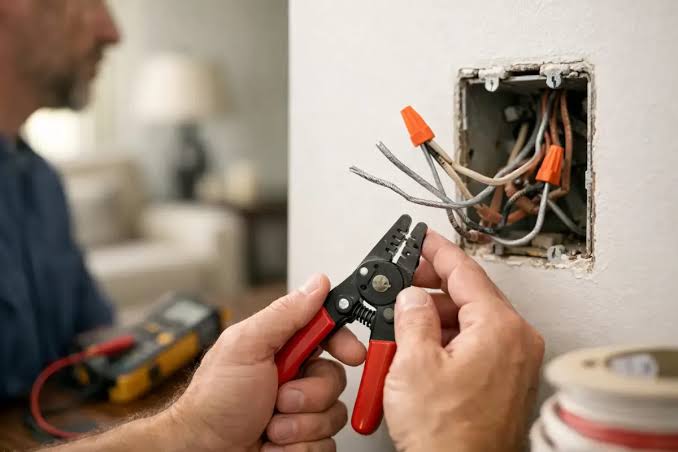
However, visual inspection alone is not always enough. A homeowner should avoid opening electrical components or removing outlet covers without proper knowledge because electrical systems can be dangerous.
A licensed electrician can inspect outlets, switches, electrical panels, and accessible wiring areas to determine the type and condition of the system.
Is Aluminum Wiring Automatically Dangerous?
One of the biggest misconceptions is that every home with aluminum wiring must be completely rewired immediately. That is not always true.
The safety level depends on several factors, including:
- The quality of the original installation
- The age and condition of connections
- Whether proper connectors were used
- Signs of overheating or damage
- Previous electrical modifications
Many homes with aluminum wiring operate safely for years when the system has been properly inspected and maintained.
The concern is not simply the presence of aluminum. The concern is poor connections that may create resistance, heat buildup, and potential electrical hazards.
Common Problems Associated With Older Aluminum Wiring
Understanding possible warning signs can help homeowners identify when professional attention is needed.
Loose Electrical Connections
Aluminum expands and contracts more than copper when temperatures change. Over many years, this movement can affect connection points and cause wires to loosen.
Loose connections may create:
- Flickering lights
- Intermittent power issues
- Warm outlets or switches
- Buzzing sounds near electrical fixtures
Overheating at Connection Points
Electrical problems often begin at connection locations rather than inside the wire itself.
Older outlets, switches, and connectors may not have been designed for aluminum conductors. Poor connections can increase electrical resistance, which generates heat.
Damaged Electrical Components
Signs such as melted outlet covers, discoloration around switches, burning smells, or frequently tripped breakers should never be ignored.
These issues may indicate a larger electrical problem that requires immediate inspection.
Should You Replace All Aluminum Wiring?
Replacing all aluminum wiring with copper is one option, but it is not the only solution in every situation.
A complete rewiring project involves removing existing wiring and installing a new electrical system. This can provide long-term peace of mind, especially during major home renovations.
However, rewiring can also be expensive and disruptive because electricians may need access behind walls, ceilings, and finished areas.
Depending on the condition of the system, other solutions may include:
- Replacing specific problem areas
- Installing approved connectors
- Upgrading outlets and switches
- Repairing improper connections
- Adding modern electrical protection devices
A qualified electrician can recommend the best approach after evaluating the home’s electrical condition.
What Happens During an Aluminum Wiring Inspection?
A professional inspection usually involves checking accessible parts of the electrical system.
An electrician may examine:
- Electrical panels
- Circuit connections
- Outlets
- Switches
- Wire markings
- Signs of overheating
- Previous repair methods
They may also check whether components are compatible with aluminum wiring.
A detailed inspection helps homeowners avoid unnecessary expenses while identifying genuine safety concerns.
How Much Does Aluminum Wiring Replacement Cost?
The cost of replacing aluminum wiring varies widely depending on the size of the home, accessibility, labor rates, and the complexity of the electrical system.
Factors that influence pricing include:
- Square footage of the property
- Number of circuits
- Wall and ceiling access
- Electrical panel condition
- Local electrician rates
- Additional upgrades required
Partial repairs may cost significantly less than a full home rewiring project. Homeowners should get multiple professional estimates and compare what each quote includes.
The cheapest option is not always the best choice when dealing with electrical safety.
Benefits of Updating an Older Electrical System
Replacing or upgrading aluminum wiring can provide several advantages beyond safety.
Modern electrical improvements may offer:
- Better reliability
- Improved compatibility with appliances
- Increased home value
- Easier insurance approval
- Support for smart home technology
- Reduced risk of electrical failures
Older homes often require electrical upgrades anyway as homeowners add modern appliances, electric vehicle chargers, home offices, and advanced technology systems.
Questions to Ask an Electrician Before Hiring
Before approving any electrical work, homeowners should ask important questions such as:
- Are you licensed and insured?
- How much experience do you have with aluminum wiring?
- Will you inspect the complete electrical system?
- What repair method do you recommend and why?
- Does your work include warranties?
- Will permits be required?
A professional electrician should be able to explain the problem clearly without pressuring homeowners into unnecessary upgrades.
Final Thoughts
Replacing aluminum wiring is an important decision that requires proper evaluation rather than assumptions. While older aluminum wiring systems may have potential risks, the condition and installation quality determine the actual level of concern.
Homeowners should begin with a professional inspection, understand available repair options, and choose a solution based on safety, budget, and future needs. Whether the answer is targeted repairs or complete rewiring, maintaining a reliable electrical system is one of the most valuable investments a homeowner can make.