Comparing Solar Panels, Battery Storage, and Traditional Energy Solutions for Residential Homes
Energy choices have become a major consideration for homeowners as electricity costs continue to rise and concerns about sustainability grow. Many families are now exploring alternatives to traditional energy sources, including solar panels and battery storage systems, to reduce monthly bills and gain more control over their power supply.
However, choosing the right energy solution is not always straightforward. Traditional grid electricity remains reliable and widely available, while solar panels offer renewable energy benefits, and battery storage provides greater independence during outages. Each option comes with its own advantages, limitations, costs, and long-term considerations.
Understanding the differences between solar panels, battery storage, and traditional energy solutions can help homeowners make a smarter decision based on their budget, location, energy needs, and future goals.
Understanding Traditional Energy Solutions for Homes
Traditional residential energy systems typically rely on electricity supplied through the local power grid. In many areas, homes receive electricity generated from a combination of sources such as natural gas, coal, nuclear power, hydroelectric plants, and other large-scale energy facilities.
For decades, grid electricity has been the standard choice because it requires minimal effort from homeowners. After connecting a property to the electrical network, residents simply pay monthly utility bills based on their energy consumption.
Advantages of Traditional Energy Systems
Traditional electricity offers several benefits:
- Reliable access to power in most locations
- No upfront installation costs for energy generation equipment
- Simple maintenance requirements
- Ability to handle high energy demands
- Available even in areas unsuitable for solar installation
For homeowners who prefer convenience, traditional energy remains an attractive option. There is no need to monitor equipment, clean solar panels, or manage battery systems.
Limitations of Traditional Energy
Despite its convenience, traditional energy has some disadvantages:
- Electricity prices can increase over time
- Homeowners depend completely on utility companies
- Power outages can interrupt service
- Energy production may contribute to environmental concerns
- Long-term costs can become unpredictable
Many homeowners are now looking for ways to reduce their dependence on the grid while maintaining reliable electricity access.
How Solar Panels Work for Residential Homes
Solar panels convert sunlight into electricity using photovoltaic technology. These systems are typically installed on rooftops or open areas where they can receive direct sunlight throughout the day.
The electricity generated can power household appliances, lighting, heating and cooling systems, and electronic devices. Depending on the system design, excess energy can either be sent back to the grid or stored for later use.
Benefits of Installing Solar Panels
Solar energy has become popular among homeowners for several reasons.
Lower Electricity Costs
One of the biggest advantages of solar panels is the potential reduction in monthly energy bills. By generating electricity independently, homeowners can purchase less power from utility providers.
Over time, energy savings can help offset the initial installation cost.
Renewable Energy Source
Solar power uses sunlight, which is a renewable resource. Unlike fossil fuels, solar energy does not require ongoing fuel consumption to generate electricity.
This makes solar panels an environmentally friendly option for homeowners interested in reducing their carbon footprint.
Increased Home Value
Homes with solar energy systems may become more attractive to buyers. Energy-efficient features are increasingly important in the real estate market, especially as homeowners look for properties with lower operating costs.
Challenges of Solar Panels
Although solar panels provide many benefits, they are not perfect for every home.
High Initial Investment
The biggest barrier is usually the upfront cost. Solar installation includes equipment, labor, permits, and sometimes additional electrical upgrades.
However, many homeowners view solar as a long-term investment rather than an immediate expense.
Weather and Location Dependence
Solar panels work best in areas with strong sunlight exposure. Homes surrounded by tall buildings, heavy tree coverage, or frequent cloudy weather may produce less solar energy.
A professional evaluation can determine whether a property receives enough sunlight for an efficient system.
Maintenance Requirements
Solar panels generally require limited maintenance, but they still need occasional cleaning and inspections to maintain performance.
The Role of Battery Storage Systems
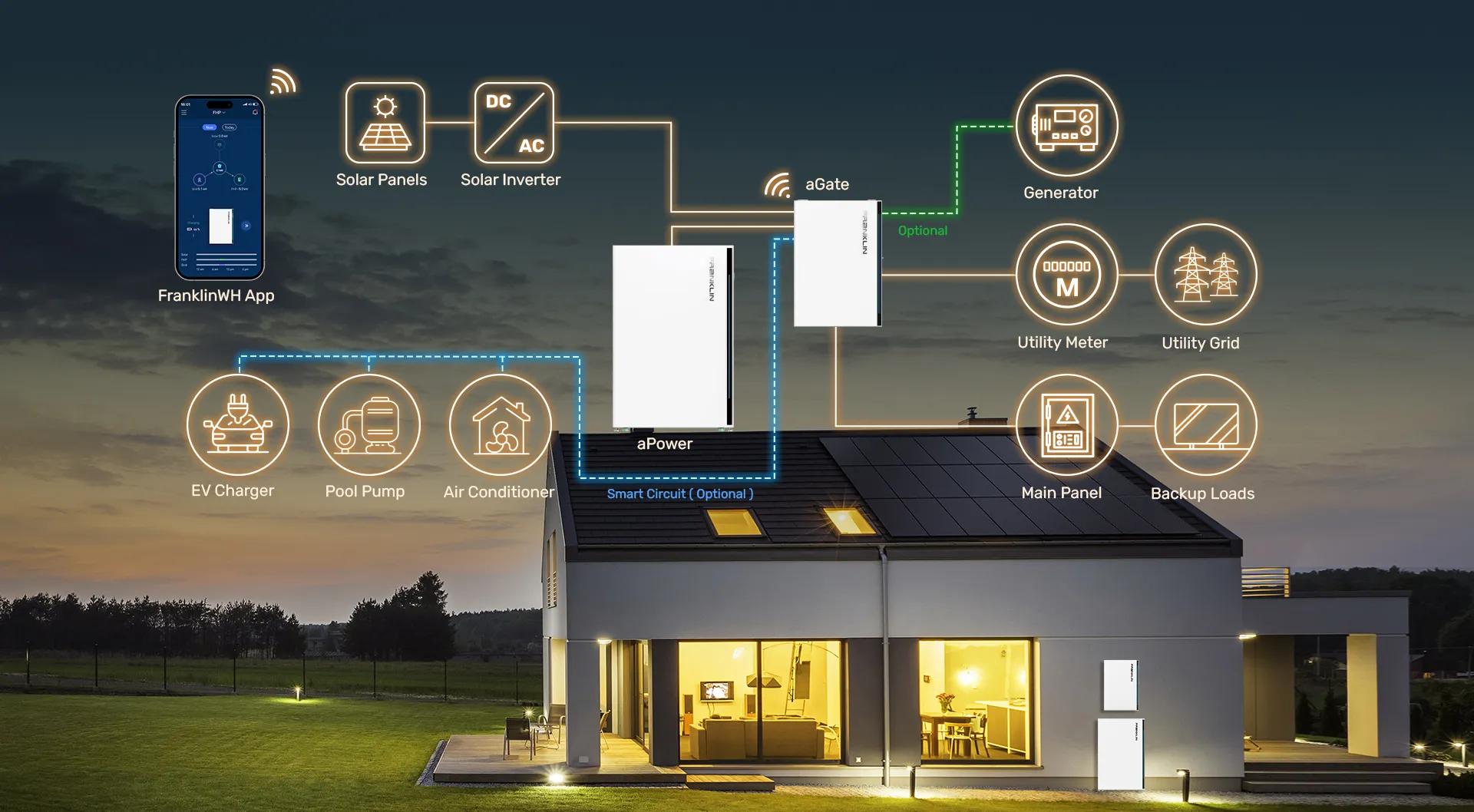
Battery storage allows homeowners to save excess solar energy and use it later. Instead of sending unused electricity back to the grid, the energy is stored in a battery system for nighttime use or during power outages.
Battery storage has become increasingly popular because it improves energy independence.
Advantages of Home Battery Storage
Backup Power During Outages
One of the main benefits of battery storage is emergency power. When the grid goes down, a battery system can provide electricity for essential appliances such as:
- Refrigerators
- Lights
- Internet equipment
- Medical devices
- Heating and cooling systems
This makes battery storage especially valuable in areas affected by storms, extreme weather, or unreliable power networks.
Better Use of Solar Energy
Without storage, homeowners may lose the opportunity to use excess solar energy generated during the day.
A battery allows families to save that energy and use it when electricity demand is higher, such as evenings.
Greater Energy Independence
Combining solar panels with battery storage reduces reliance on traditional energy providers. Homeowners gain more control over their electricity production and usage.
Limitations of Battery Storage
Battery systems also have challenges.
Additional Cost
Adding storage significantly increases the total price of a solar installation. Batteries contain advanced technology and may require replacement after several years.
Limited Capacity
A battery can only store a certain amount of energy. Large homes with high electricity usage may require multiple batteries to provide full backup power.
Space Requirements
Some battery systems require dedicated installation areas, which may not be suitable for every property.
Solar Panels vs Battery Storage vs Traditional Energy: Direct Comparison
Cost
Traditional electricity usually has the lowest upfront cost because homeowners do not need to purchase equipment.
Solar panels require a larger initial investment but can provide savings over many years.
Battery storage adds additional expense but increases energy independence.
Reliability
Traditional grid electricity is generally reliable but depends on external infrastructure.
Solar panels generate power only when sunlight is available.
Solar combined with battery storage offers improved reliability because stored energy can provide backup power.
Environmental Impact
Traditional energy sources may produce higher emissions depending on how electricity is generated.
Solar panels produce clean renewable energy and reduce dependence on fossil fuels.
Battery storage improves solar efficiency by reducing wasted energy.
Maintenance
Traditional energy requires little homeowner involvement.
Solar panels need occasional cleaning and inspections.
Battery systems require monitoring and eventual replacement.
Which Energy Solution Is Best for Your Home?
The ideal choice depends on several factors, including:
- Local electricity prices
- Available sunlight
- Home energy consumption
- Budget
- Future plans
- Reliability needs
A homeowner in an area with expensive electricity and strong sunlight may benefit greatly from solar panels. Someone living in an area with frequent outages may find battery storage especially valuable.
For some households, a combination of solar panels, battery storage, and grid connection provides the best balance between savings, reliability, and flexibility.
The Future of Residential Energy
Residential energy systems are becoming smarter and more efficient. Advances in battery technology, smart home systems, and energy management software are changing how homeowners produce and consume electricity.
Future homes may rely more heavily on decentralized energy systems where homeowners generate, store, and manage their own power.
As technology improves and costs continue to change, renewable energy solutions are likely to become a larger part of residential planning and home improvement decisions.
Final Thoughts
Choosing between solar panels, battery storage, and traditional energy solutions requires careful consideration of both short-term costs and long-term benefits. Traditional electricity offers simplicity and reliability, while solar panels provide renewable energy savings. Battery storage adds another layer of independence by allowing homeowners to store and use their own power when needed.
For many modern homeowners, the best solution may not be choosing only one option but creating a balanced energy system that combines renewable generation, backup storage, and reliable grid access. By understanding the advantages and limitations of each approach, homeowners can make informed decisions that support their finances, comfort, and future energy needs.