Common Electrical Problems in Older Homes and When to Call a Professional Electrician
Older homes often have unique character, strong construction, and architectural details that are difficult to find in modern properties. However, behind the walls and ceilings, many older houses may contain electrical systems that were designed for a very different era. As homeowners add more appliances, smart devices, and high-powered electronics, outdated electrical components can struggle to keep up with modern demands.
Electrical issues in older homes are not always obvious. A flickering light, a warm outlet, or a frequently tripping breaker might seem like a small inconvenience, but these signs can indicate deeper problems that affect safety, efficiency, and the overall condition of the property.
Understanding common electrical problems and knowing when to contact a professional electrician can help homeowners prevent dangerous situations and avoid expensive repairs.
Outdated Electrical Wiring Systems
One of the most common problems found in older homes is outdated wiring. Many houses built decades ago were equipped with electrical systems designed for lower energy consumption. At the time, homes did not require power for multiple televisions, computers, air conditioners, kitchen appliances, smart devices, and charging stations.
Older wiring materials may not handle today’s electrical demands safely. Some homes still contain wiring systems that lack proper grounding or use materials that have become unsafe over time.
Signs of outdated wiring may include:
- Flickering lights when appliances turn on
- Burning smells near outlets or switches
- Discolored wall plates
- Frequently tripped breakers
- Buzzing sounds from electrical fixtures
- Limited outlets throughout the home
If a property has never had an electrical upgrade, a professional inspection can help determine whether rewiring or partial upgrades are necessary.
Lack of Grounding in Electrical Systems
Grounding is an important safety feature in modern electrical systems. It provides a safe pathway for excess electrical current to travel into the ground instead of passing through appliances, wiring, or people.
Many older homes were built before modern grounding requirements became standard. Ungrounded outlets can increase the risk of electrical shocks, especially when using sensitive electronics or appliances.
Homeowners may notice two-prong outlets instead of three-prong outlets in older properties. While replacing outlets may seem simple, adding proper grounding requires understanding the condition of the existing electrical system.
A professional electrician can inspect the wiring and recommend safe solutions rather than simply installing new outlets without addressing underlying issues.
Frequent Circuit Breaker Trips
Circuit breakers are designed to protect a home by shutting off electricity when a circuit becomes overloaded. However, frequent breaker trips may indicate that the electrical system cannot handle the current demand.
Common causes include:
- Too many devices connected to one circuit
- Aging electrical panels
- Faulty appliances
- Damaged wiring
- Insufficient electrical capacity
Older homes often have smaller electrical panels that were suitable decades ago but may not provide enough power for modern lifestyles.
Replacing a breaker repeatedly without finding the cause does not solve the problem. A qualified electrician can inspect the system, identify the source of the overload, and recommend the appropriate repair.
Outdated Electrical Panels
The electrical panel is the central point where electricity enters and distributes throughout the home. In older properties, panels may be outdated, damaged, or too small for current electrical needs.
Some older panels have limited capacity and may struggle with modern electrical loads. Others may contain components that are no longer considered safe due to design issues or aging.
Warning signs of electrical panel problems include:
- Rust or corrosion
- Strange noises coming from the panel
- Warm panel surfaces
- Missing covers
- Frequent power interruptions
- Visible damage
Upgrading an electrical panel can improve safety, increase energy capacity, and prepare the home for future improvements such as electric vehicle chargers or smart home systems.
Insufficient Electrical Outlets
Older homes were built when families used far fewer electronic devices. As a result, many older properties have limited outlets, forcing homeowners to rely on extension cords and power strips.
While extension cords can be useful temporarily, using too many on a long-term basis can create safety risks. Overloaded outlets may overheat and increase the possibility of electrical fires.
Adding new outlets in the correct locations can make a home safer and more convenient. However, installation should be handled properly to ensure wiring capacity matches the additional electrical demand.
Flickering or Dimming Lights
Flickering lights are a common complaint among homeowners with older electrical systems. Sometimes the cause is a loose bulb or fixture, but persistent flickering may point to a larger issue.
Possible causes include:
- Loose wiring connections
- Overloaded circuits
- Aging switches
- Problems with the electrical panel
- Voltage fluctuations
If lights dim whenever large appliances start running, such as air conditioners or refrigerators, it may indicate that the electrical system is struggling with the power demand.
A professional electrician can diagnose whether the issue is isolated to one fixture or connected to the home’s overall electrical system.
Old Switches and Outlets
Electrical switches and outlets experience years of use, and older components can wear out over time. Loose outlets, cracked covers, or switches that feel hot to the touch should not be ignored.
Common warning signs include:
- Sparks when plugging in devices
- Loose plugs falling from outlets
- Switches making crackling sounds
- Outlets that feel warm
- Burn marks around electrical plates
Replacing damaged switches and outlets is usually straightforward, but it is important to ensure the wiring behind them is also safe.
When Should You Call a Professional Electrician?
Some minor electrical tasks may appear manageable, but electrical work carries serious safety risks. Homeowners should contact a professional electrician when dealing with:
- Electrical shocks or sparks
- Burning odors
- Frequent breaker trips
- Electrical panel issues
- Rewiring projects
- Adding new circuits
- Installing high-powered appliances
- Major renovations
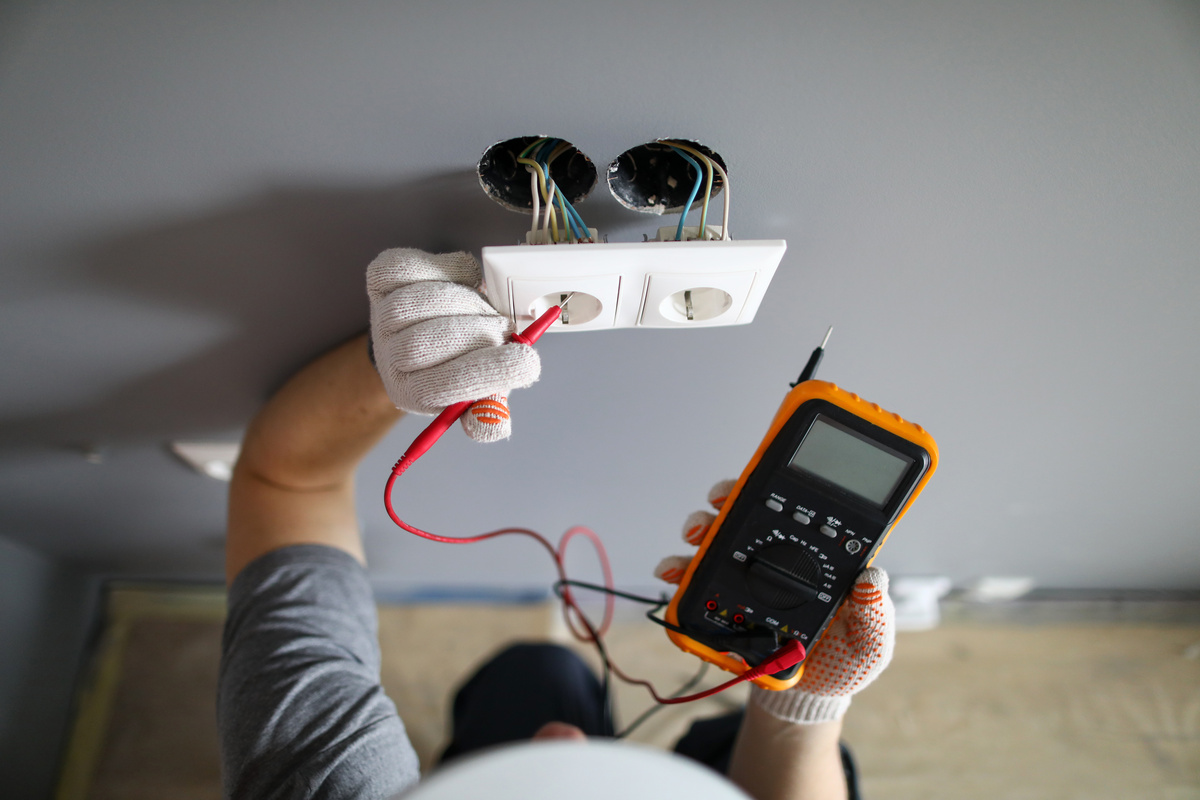
Professional electricians have the tools and knowledge to identify hidden problems that may not be visible to homeowners.
How Regular Electrical Inspections Help Older Homes
Regular electrical inspections are especially valuable for older properties. A professional inspection can identify outdated components, safety hazards, and potential improvements before they become emergencies.
An electrician may check:
- Wiring conditions
- Electrical panel performance
- Outlet safety
- Grounding systems
- Circuit capacity
- Code compliance
For homeowners planning renovations or purchasing an older property, an electrical inspection can provide valuable information before investing in upgrades.
Final Thoughts
Older homes offer charm, history, and unique design features, but their electrical systems may require attention to meet modern safety standards. Problems such as outdated wiring, overloaded circuits, faulty outlets, and aging panels should never be ignored.
Recognizing warning signs early and working with a qualified professional electrician can help protect your home, improve electrical performance, and prevent serious safety issues. Whether you are restoring a historic property or simply maintaining an older house, keeping the electrical system updated is one of the most important investments you can make.