Why More Homeowners Are Installing Whole-Home Surge Protection Systems
Modern homes depend on electricity more than ever before. From refrigerators and washing machines to smart TVs, security cameras, computers, and advanced heating and cooling systems, almost every part of daily life relies on a stable power supply. However, electrical surges can silently damage these expensive devices within seconds.
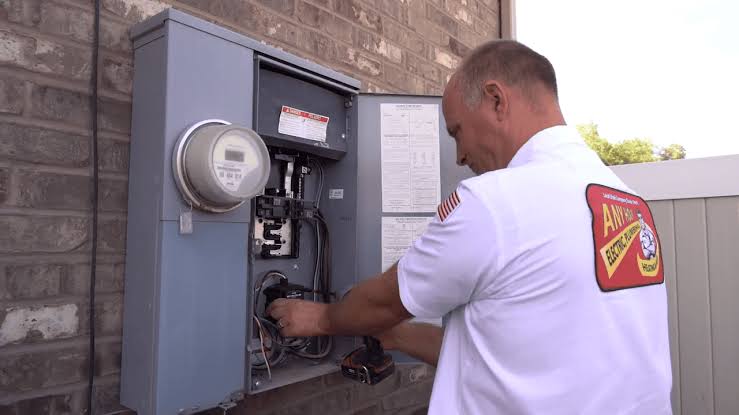
This is one reason more homeowners are considering whole-home surge protection systems as a long-term investment. Unlike basic power strips that protect only individual devices, a whole-home surge protector is installed directly into a home’s electrical panel and helps defend multiple circuits from sudden voltage spikes.
As homes become more connected and filled with sensitive electronics, protecting electrical systems is becoming an important part of modern home improvement planning.
What Is a Whole-Home Surge Protection System?
A whole-home surge protection system is a device designed to protect a home’s electrical wiring and connected appliances from sudden increases in voltage. It is usually installed near the main electrical panel by a qualified electrician.
Under normal conditions, electricity flows through the home’s wiring at a consistent voltage level. However, unexpected events such as lightning strikes, power grid issues, or electrical equipment failures can create a sudden surge of electricity.
A surge protector works by redirecting excess voltage away from sensitive electronics and safely sending it into the grounding system.
Unlike small plug-in surge protectors, whole-home systems provide broader protection because they cover the electrical circuits throughout the property.
Why Are More Homeowners Choosing Whole-Home Surge Protection?
Several factors are driving the growing interest in whole-home surge protection. Homes today contain more electronics than previous generations, and many of these devices are expensive and vulnerable to electrical fluctuations.
More Smart Devices Mean More Protection Needs
Smart homes are becoming increasingly common. Homeowners are installing connected thermostats, smart lighting, security systems, automated locks, cameras, and voice-controlled devices.
While these technologies improve convenience, many smart devices contain delicate electronic components that can be damaged by power surges.
A traditional appliance may survive minor electrical fluctuations, but modern circuit boards and digital controls are often much more sensitive.
Whole-home surge protection helps create a safer environment for these connected systems.
Expensive Appliances Need Better Protection
Large household appliances are not cheap to replace. Refrigerators, HVAC systems, ovens, washing machines, and entertainment systems often contain advanced electronics that control their operation.
A sudden surge can damage internal components, sometimes causing immediate failure or reducing the lifespan of the equipment.
Installing a surge protection system can help protect these investments and reduce unexpected repair costs.
Common Causes of Electrical Surges in Homes
Many people associate power surges only with lightning strikes, but several everyday events can create electrical spikes.
Lightning Strikes
Lightning can create extremely powerful electrical surges. Even if lightning does not directly hit a home, nearby strikes can send large amounts of electricity through power lines.
A whole-home surge protector can provide an additional layer of defense against these extreme events.
Utility Grid Problems
Power companies regularly manage large electrical networks. Equipment failures, maintenance work, and sudden changes in electricity demand can sometimes create temporary voltage increases.
These smaller surges may happen repeatedly over time and gradually damage electronics.
Large Appliances Turning On and Off
Some household appliances require a large amount of power when starting. Air conditioners, refrigerators, and pumps can create small internal surges when they switch on or off.
While these spikes are usually not dangerous, repeated exposure can affect sensitive electronics over many years.
Whole-Home Surge Protectors vs Power Strips
Many homeowners already use surge-protected power strips, but these products serve a different purpose.
Power strips protect individual devices connected directly to them. They are useful for computers, televisions, gaming systems, and office equipment.
However, they cannot protect the entire electrical system of a house.
A whole-home surge protector works at the electrical panel level, helping protect:
- Appliances connected throughout the home
- Built-in electrical systems
- Smart home devices
- HVAC equipment
- Kitchen appliances
- Garage equipment
For maximum protection, many homeowners combine both solutions by installing whole-home protection and using quality surge strips for sensitive electronics.
Benefits of Installing a Whole-Home Surge Protection System
Helps Reduce Repair and Replacement Costs
Replacing damaged electronics can become expensive. A single electrical event could potentially affect multiple devices at once.
A surge protection system may help reduce the financial impact of unexpected electrical problems.
Protects Modern Home Technology
Homes are becoming more technology-focused. From automated lighting to smart appliances, protecting electronic components is becoming increasingly important.
Provides Continuous Protection
Unlike portable surge protectors that must be replaced after major events, professionally installed systems offer ongoing protection. Many models include indicators that show whether the device is functioning properly.
Adds Value to Modern Homes
Homebuyers are increasingly interested in properties with updated electrical systems and safety features.
A whole-home surge protector can be viewed as a practical upgrade, especially in homes with advanced technology and expensive appliances.
Are Whole-Home Surge Protection Systems Worth the Cost?
The cost of installation depends on several factors, including the home’s electrical setup, the type of surge protector selected, and local electrician rates.
For many homeowners, the investment makes sense because the potential cost of replacing damaged appliances and electronics can be much higher.
However, surge protection should not be viewed as a replacement for proper electrical maintenance. It works best as part of a complete approach that includes safe wiring, regular inspections, and quality electrical components.
Things to Consider Before Installation
Before installing a whole-home surge protection system, homeowners should consider a few important factors.
Choose the Right Protection Rating
Surge protectors have different ratings that indicate how much energy they can handle. A professional electrician can help determine what level of protection is appropriate for a specific home.
Hire a Qualified Electrician
Installation involves working with the home’s main electrical panel. Because of safety risks, it should be completed by a trained professional rather than attempted as a DIY project.
Check Existing Electrical Conditions
Older homes may have outdated wiring, grounding issues, or electrical panels that require upgrades before adding new protection equipment.
An inspection can identify potential problems before installation.
The Future of Home Electrical Protection
As homes continue becoming smarter and more connected, electrical protection will likely become a standard consideration during renovations and new construction.
Future systems may include more advanced monitoring features, allowing homeowners to track electrical activity, detect unusual patterns, and receive alerts through mobile applications.
Energy management, smart technology, and electrical safety are increasingly working together to create homes that are more efficient and better protected.
Final Thoughts
Whole-home surge protection systems are becoming more popular because modern households rely heavily on electronic devices and connected technology. A sudden electrical surge can damage expensive appliances, smart devices, and important home systems.
While no protection method can prevent every possible electrical problem, installing a properly selected whole-home surge protector adds an important layer of security.
For homeowners planning upgrades, renovations, or improvements, electrical protection is worth considering alongside other safety and efficiency investments. Protecting the systems that keep a home running smoothly can help avoid costly surprises in the future.