Garage Floor Coatings Compared: Epoxy, Polyaspartic, and Polyurea Explained
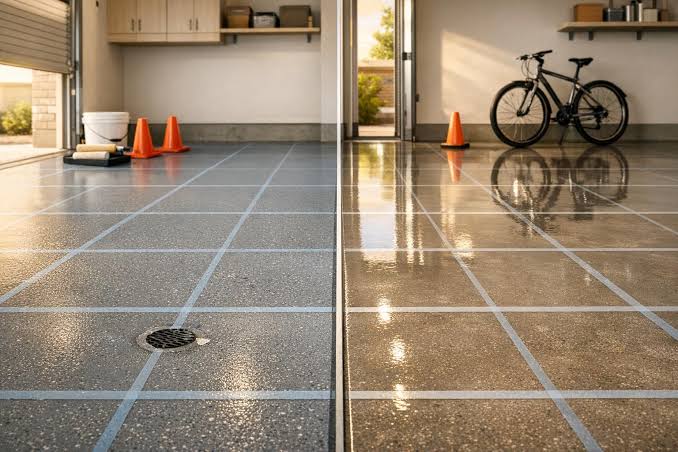
A garage floor deals with much more than parked vehicles. It handles oil spills, heavy tools, chemical exposure, tire pressure, moisture, temperature changes, and daily wear. A basic concrete floor can quickly become stained, cracked, dusty, and difficult to clean. This is why many homeowners consider garage floor coatings as a practical upgrade.
Among the most popular options, epoxy, polyaspartic, and polyurea coatings are often compared because each offers different benefits in terms of durability, appearance, installation time, and cost. Choosing the right coating depends on your garage conditions, budget, and how you use the space.
Understanding the differences between these materials can help you make a better decision instead of simply choosing the most expensive or popular option.
Why Garage Floor Coatings Are Worth Considering
Concrete is a strong material, but it is naturally porous. Over time, untreated concrete absorbs liquids, collects dust, and develops surface damage. Oil leaks from vehicles, road salt, cleaning chemicals, and moisture can slowly affect its appearance and strength.
A quality garage floor coating creates a protective layer over the concrete surface. It can provide several advantages:
- Easier cleaning and maintenance
- Better resistance against stains and chemicals
- Improved appearance
- Reduced concrete dust
- Protection against scratches and impact
- Longer floor lifespan
- A more comfortable and organized garage space
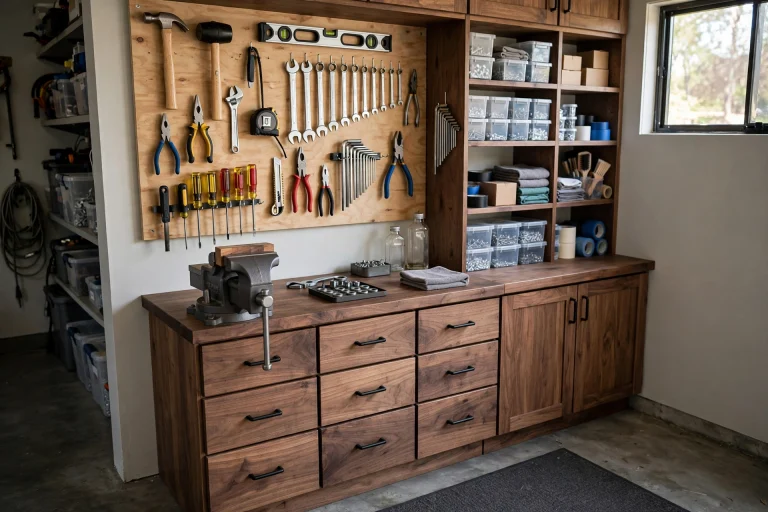
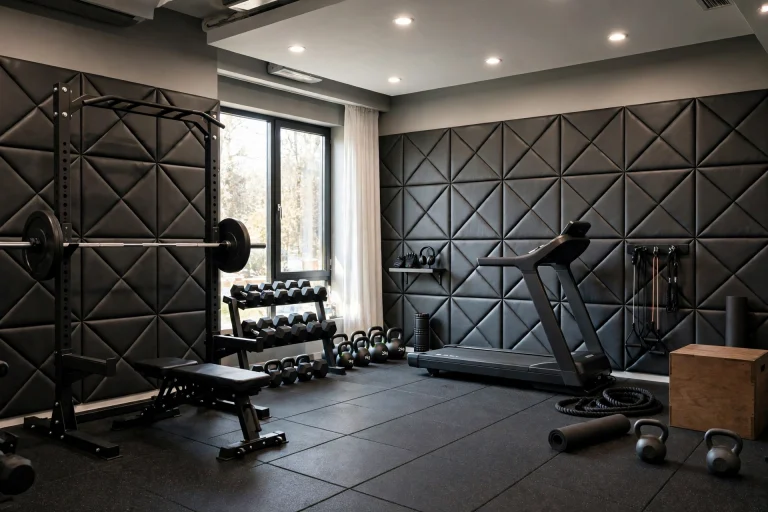
Modern garages are also being used for workshops, home gyms, storage areas, and hobby spaces. A coated floor can make the entire area feel more like an extension of the home rather than just a place for parking.
Epoxy Garage Floor Coatings
Epoxy has been one of the most widely used garage floor coatings for decades. It is created by mixing resin and hardener, which produces a strong chemical bond when applied to properly prepared concrete.
One of the biggest reasons homeowners choose epoxy is its balance between durability and affordability.
Benefits of Epoxy Coatings
Epoxy floors offer excellent protection against:
- Vehicle fluids
- Oil stains
- Moderate impact
- General foot traffic
- Household chemicals
They are available in many colors and finishes, including solid colors, decorative flakes, and metallic designs. This makes epoxy a popular choice for homeowners who want both function and style.
Another advantage is that epoxy creates a thick, smooth surface that is easy to sweep and mop.
Limitations of Epoxy
Although epoxy is durable, it has some weaknesses. It can take longer to cure compared to newer coating options. Depending on temperature and humidity, homeowners may need to wait several days before using the garage normally.
Epoxy can also become less flexible over time. Concrete naturally expands and contracts with temperature changes, and epoxy may develop cracks or chips if the surface moves significantly.
For garages with extreme temperature changes or heavy commercial use, other coatings may provide better performance.
Polyaspartic Garage Floor Coatings
Polyaspartic coatings are a newer generation of garage floor protection. They are a type of polyurethane coating designed to provide fast installation and strong durability.
One of the biggest advantages of polyaspartic flooring is its quick curing ability. Many professional installers can complete the process within a short timeframe, allowing homeowners to return to using their garage sooner.
Benefits of Polyaspartic Coatings
Polyaspartic coatings are known for:
- Fast installation
- Strong UV resistance
- Better flexibility than traditional epoxy
- High resistance to stains
- Good protection against chemicals
- Long-lasting appearance
Unlike some epoxy coatings, polyaspartic materials are less likely to yellow when exposed to sunlight. This makes them useful for garages with windows, open doors, or outdoor applications.
They also handle temperature changes better because they have more flexibility.
Limitations of Polyaspartic Coatings
The biggest disadvantage of polyaspartic flooring is the cost. It is usually more expensive than standard epoxy systems.
Because it dries quickly, installation requires experience. Professionals need to work efficiently because mistakes can become difficult to correct once the coating begins curing.
For homeowners looking for a premium garage floor solution, the higher price may be worthwhile.
Polyurea Garage Floor Coatings
Polyurea is another advanced coating system commonly used in industrial environments and high-performance residential garages.
It is known for exceptional strength, flexibility, and resistance to harsh conditions.
Polyurea coatings bond strongly with concrete and can handle heavy use, making them suitable for homeowners who want maximum durability.
Benefits of Polyurea Coatings
Some key advantages include:
- Extremely strong durability
- Excellent chemical resistance
- High impact resistance
- Flexibility under temperature changes
- Fast curing time
- Long service life
Polyurea is often selected for garages that function as workshops or areas with frequent heavy activity.
Limitations of Polyurea Coatings
Like polyaspartic coatings, polyurea systems are generally more expensive than epoxy. They also require proper preparation and skilled installation.
If the concrete surface is not cleaned, repaired, and prepared correctly, even a premium coating may fail.
Professional installation is usually recommended because the application process requires specialized knowledge.
Epoxy vs Polyaspartic vs Polyurea: Key Differences
The best coating depends on what matters most to you.
Durability:
Polyurea and polyaspartic coatings generally provide higher performance than basic epoxy, especially in demanding environments.
Cost:
Epoxy is usually the most budget-friendly option, while polyaspartic and polyurea are considered premium choices.
Installation Speed:
Polyaspartic and polyurea typically cure faster than epoxy.
UV Resistance:
Polyaspartic coatings perform better when exposed to sunlight.
Heavy Use:
Polyurea is often preferred for garages that experience intense activity.
Appearance Options:
All three coatings can provide attractive finishes with colors, textures, and decorative flakes.
Factors to Consider Before Choosing a Garage Floor Coating
Before selecting a coating, consider how you actually use your garage.
A homeowner who only parks vehicles may not need the same level of protection as someone running a workshop.
Ask yourself:
- Does the garage experience extreme temperature changes?
- Will vehicles, tools, or heavy equipment be stored there?
- Is moisture a common issue?
- How quickly do you need the garage available again?
- What is your renovation budget?
- Do you prefer appearance, durability, or a balance of both?
Concrete condition also matters. Cracks, moisture problems, and damaged areas should be addressed before applying any coating.
Professional Installation vs DIY Garage Floor Coatings
DIY epoxy kits are available and may work for small projects with good preparation. However, many coating failures happen because of poor surface preparation.
Professional installers usually use equipment to remove contaminants, repair cracks, and create the correct surface profile for better adhesion.
A properly installed coating can last many years, while a poorly prepared surface may start peeling much sooner.
Final Thoughts
Epoxy, polyaspartic, and polyurea garage floor coatings all have unique advantages. Epoxy remains a reliable and affordable choice for many homeowners, while polyaspartic offers faster installation and better UV performance. Polyurea provides exceptional durability for garages that demand maximum protection.
The right choice depends on your garage environment, budget, and long-term expectations. Instead of choosing based only on price, consider how you use your space and how much protection your floor needs.
A well-selected garage floor coating can improve the look of your garage while protecting your concrete investment for years to come.