How Smart Irrigation Controllers Reduce Water Bills Without Hurting Your Lawn
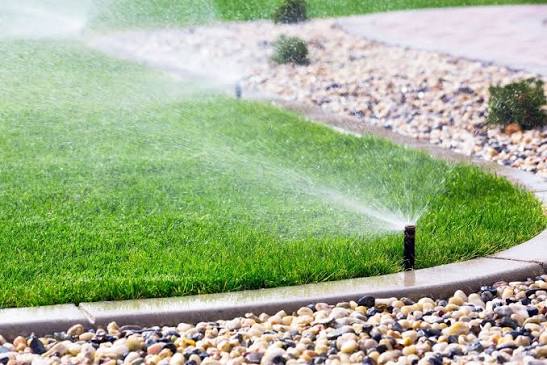
A healthy green lawn often requires regular watering, but traditional irrigation systems can waste a surprising amount of water. Many homeowners run sprinklers on fixed schedules without considering changing weather conditions, soil moisture, plant needs, or seasonal adjustments. This can lead to overwatering, higher utility bills, and even damage to grass and plants.
Smart irrigation controllers are changing the way homeowners manage outdoor watering. These advanced devices automatically adjust watering schedules based on real-time conditions, helping lawns receive the right amount of water at the right time. Instead of watering more, they focus on watering smarter.
For homeowners looking to maintain a beautiful landscape while reducing unnecessary expenses, smart irrigation technology offers a practical solution.
What Is a Smart Irrigation Controller?
A smart irrigation controller is an upgraded version of a traditional sprinkler timer. While standard timers follow a fixed schedule, smart controllers use information such as weather forecasts, soil conditions, temperature, and plant requirements to determine when and how long your lawn should be watered.
Many smart controllers connect to Wi-Fi and can be managed through a smartphone app. This allows homeowners to monitor watering activity, make adjustments remotely, and receive alerts about possible problems such as leaks or system failures.
The main goal is simple: deliver enough water for healthy plant growth without wasting extra water.
How Smart Irrigation Controllers Save Water
One of the biggest advantages of smart irrigation systems is their ability to prevent unnecessary watering. Traditional timers may continue running even after heavy rainfall or during cooler periods when plants need less water.
Smart controllers solve this problem by adjusting schedules automatically.
Weather-Based Adjustments
Many smart irrigation controllers use local weather data to make watering decisions. If rain is expected or has recently occurred, the system can delay watering instead of adding more water to already wet soil.
During hot and dry periods, the controller can increase watering frequency to support lawn health.
This automatic adjustment prevents the common mistake of using the same watering schedule throughout the entire year.
Preventing Overwatering
Overwatering is one of the biggest causes of wasted water and unhealthy lawns. Too much moisture can create problems such as:
- Root damage
- Fungal growth
- Weed problems
- Soil erosion
- Water runoff
A smart irrigation controller provides only the amount of water your lawn actually needs, helping maintain stronger grass roots and healthier soil.
Reducing Water Runoff
When sprinklers run too long, water may flow away before the soil has time to absorb it. This is especially common on sloped lawns or compacted soil.
Smart systems can use shorter watering cycles with proper intervals, allowing water to slowly absorb into the ground instead of becoming waste.
How Smart Irrigation Protects Your Lawn
Saving water does not mean sacrificing a beautiful landscape. In fact, smarter watering often improves lawn quality because plants receive more consistent care.
Healthier Root Growth
Deep and controlled watering encourages grass roots to grow deeper into the soil. Strong roots help lawns survive heat, drought, and seasonal changes.
A traditional irrigation system may provide frequent shallow watering, which can create weaker grass that depends heavily on constant moisture.
Better Seasonal Maintenance
Lawns do not have the same water requirements throughout the year. During spring and summer, grass may need more water, while autumn and winter usually require less.
Smart irrigation controllers automatically adapt to seasonal changes, reducing the need for homeowners to manually update schedules.
Customized Zones for Different Plants
Not every area of a yard requires the same amount of water. Grass, flower beds, shrubs, and trees all have different needs.
Many smart controllers allow multiple watering zones. This means a vegetable garden can receive different treatment compared to a lawn area, preventing both underwatering and waste.
Features to Look For When Buying a Smart Irrigation Controller
Not all smart controllers offer the same features. Homeowners should consider several factors before choosing a system.
Weather Intelligence
A good controller should have access to accurate weather information and automatically adjust watering based on rainfall, temperature, and evaporation levels.
Soil Moisture Compatibility
Some systems can connect with soil moisture sensors that measure the actual condition of the ground. This provides even more accurate watering decisions.
Mobile App Control
A user-friendly app makes it easier to monitor your irrigation system, change settings, and receive notifications from anywhere.
Water Usage Reports
Some smart controllers provide reports showing how much water your system uses. These insights can help homeowners identify opportunities for additional savings.
Compatibility With Existing Systems
Before purchasing, check whether the controller works with your current sprinkler setup. Many smart controllers are designed as replacements for traditional timers, making installation easier.
Are Smart Irrigation Controllers Worth the Investment?
The value of a smart irrigation controller depends on factors such as lawn size, local climate, water costs, and existing irrigation habits.
For homeowners who regularly adjust sprinklers manually or live in areas with changing weather conditions, the savings can be significant over time.
The benefits go beyond lower water bills. A smart irrigation system can also:
- Reduce daily maintenance
- Protect landscaping investments
- Prevent accidental overwatering
- Support environmentally responsible gardening
Although the initial cost may be higher than a basic timer, many homeowners find that improved efficiency makes the upgrade worthwhile.
Common Mistakes to Avoid With Smart Irrigation Systems
Even the best technology cannot fix an inefficient irrigation system. Homeowners should still pay attention to basic maintenance.
Some common mistakes include:
Ignoring Sprinkler Problems
Broken sprinkler heads, blocked nozzles, and leaking pipes can waste large amounts of water. Regular inspections are still important.
Choosing Incorrect Settings
A smart controller needs accurate information about your lawn, soil type, and irrigation zones. Incorrect settings may reduce efficiency.
Expecting Technology to Replace Maintenance
Smart irrigation reduces manual work, but it does not eliminate the need for occasional system checks and landscaping care.
The Future of Lawn Care With Smart Technology
As homes become more connected, smart irrigation is becoming part of a larger movement toward efficient and sustainable living. Future systems may use artificial intelligence, advanced sensors, and improved weather prediction models to make even more accurate watering decisions.
Homeowners are increasingly looking for solutions that save money while reducing environmental impact. Smart irrigation controllers fit this demand by combining convenience, technology, and responsible water management.
Final Thoughts
Smart irrigation controllers help homeowners maintain attractive lawns while using water more efficiently. By adjusting watering schedules based on weather, soil conditions, and plant needs, these systems eliminate much of the waste associated with traditional irrigation methods.
A greener lawn does not always require more water. It requires better management. With the right smart irrigation system, homeowners can lower water bills, protect their landscapes, and create a more sustainable outdoor environment.