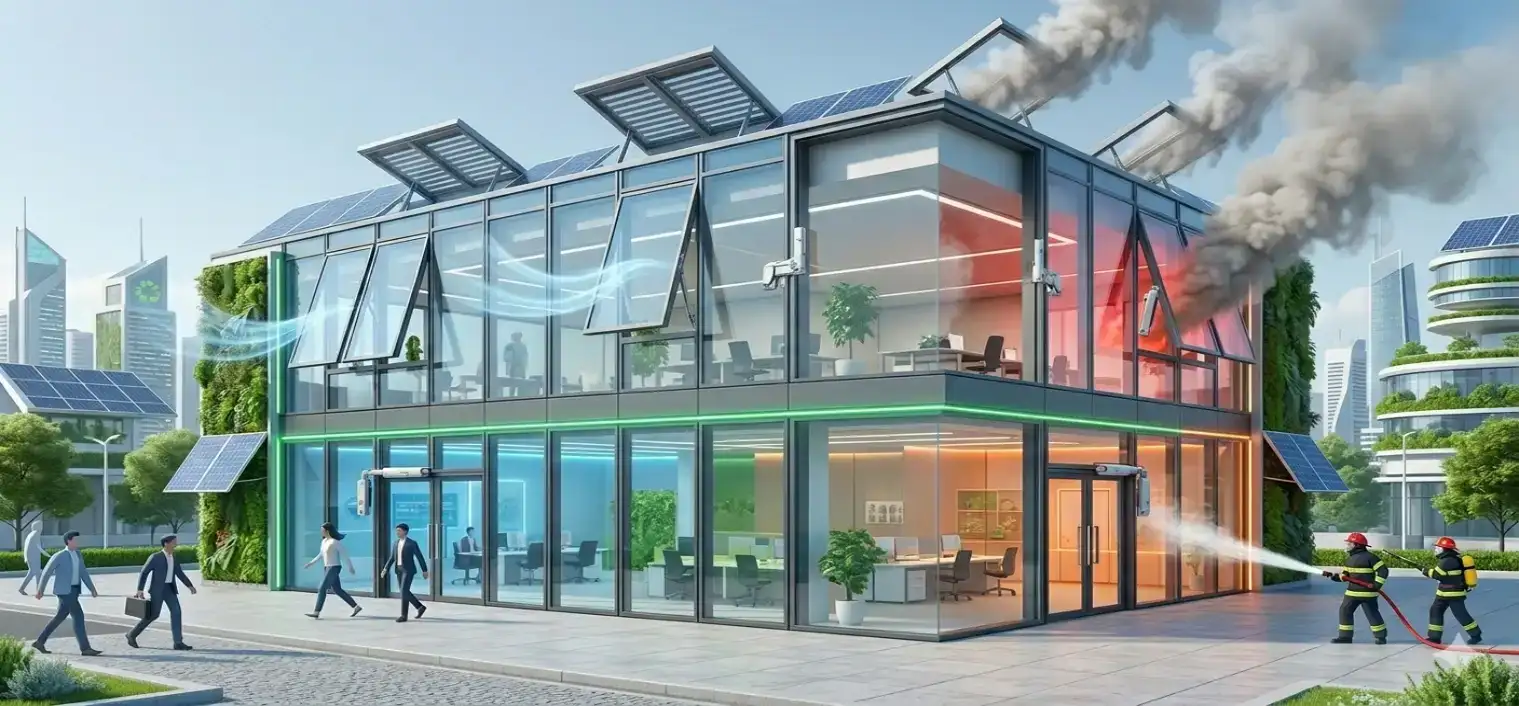
Smart Ventilation Systems for Modern Residential Buildings With Improved Air Quality and Comfort
Modern residential buildings are designed to provide better energy efficiency, comfort, and convenience. However, highly insulated homes with reduced air leakage can sometimes limit natural airflow, making proper ventilation more important than ever. Smart ventilation systems offer an advanced solution by automatically managing fresh air circulation, improving indoor air quality, and creating healthier living environments.
Unlike traditional ventilation methods that operate continuously or require manual control, smart ventilation systems use sensors, automation, and intelligent controls to adjust airflow according to real-time indoor conditions. These systems help maintain comfortable temperatures, reduce indoor pollutants, and support energy-efficient home design.
What is Smart Ventilation Systems
Smart ventilation systems are advanced air management solutions that automatically control the exchange of indoor and outdoor air. They use sensors and connected technology to monitor environmental conditions and adjust ventilation levels when needed.
These systems analyze factors such as humidity, carbon dioxide levels, temperature, and air quality to determine the appropriate amount of fresh air circulation.
The main purpose of smart ventilation is to maintain a healthy indoor environment while minimizing unnecessary energy consumption.
Importance of Proper Ventilation in Modern Homes
Ventilation plays an essential role in maintaining indoor comfort and air quality. Without proper airflow, indoor spaces can experience increased humidity, unpleasant odors, and higher levels of airborne pollutants.
Modern homes often include improved insulation and airtight construction to increase energy efficiency. While this reduces energy loss, it also makes controlled ventilation necessary to prevent stale air buildup.
Smart ventilation systems provide a balanced approach by bringing fresh air inside while removing unwanted indoor contaminants.
How Smart Ventilation Improves Indoor Air Quality
One of the biggest advantages of smart ventilation systems is their ability to improve indoor air quality automatically. These systems continuously monitor air conditions and respond to changes.
Smart ventilation helps manage:
- Excess humidity
- Carbon dioxide levels
- Airborne particles
- Indoor odors
- Stale air circulation
By maintaining better airflow, these systems create cleaner and more comfortable residential environments.
Real Time Air Quality Monitoring and Automated Control
Modern smart ventilation systems often include advanced sensors that provide real-time information about indoor conditions.
When sensors detect poor air quality, increased humidity, or rising carbon dioxide levels, the system can automatically increase ventilation. When conditions improve, airflow can be adjusted to reduce energy usage.
This intelligent operation ensures that ventilation happens only when necessary.
Smart Sensors for Efficient Ventilation Management
Sensors are a key component of automated ventilation technology. They allow systems to understand changing environmental conditions and respond accordingly.
Common smart ventilation sensors include:
Humidity Sensors
Humidity sensors detect moisture levels and help prevent excessive dampness, condensation, and mold-related issues.
Carbon Dioxide Sensors
CO₂ sensors monitor indoor air freshness and increase ventilation when occupancy levels cause carbon dioxide levels to rise.
Air Quality Sensors
Air quality sensors detect pollutants and particles, helping maintain cleaner indoor environments.
Temperature Sensors
Temperature monitoring helps balance fresh air intake with indoor comfort requirements.
Energy Efficiency Benefits of Smart Ventilation Systems
Traditional ventilation systems may operate continuously, leading to unnecessary energy consumption. Smart ventilation systems improve efficiency by adjusting airflow according to actual requirements.
These systems help reduce energy waste by:
- Operating only when ventilation is needed
- Recovering heat from outgoing air
- Coordinating with HVAC systems
- Optimizing airflow levels
Energy-efficient ventilation supports lower utility costs while maintaining a comfortable indoor climate.
Integration With Smart HVAC Systems
Smart ventilation works effectively when combined with modern HVAC systems. Together, these technologies create a complete indoor climate management solution.
For example, smart ventilation can provide fresh air while smart HVAC systems maintain temperature and humidity levels. This coordination improves comfort and prevents excessive heating or cooling.
Integrated climate systems create a more efficient and responsive residential environment.
Heat Recovery Ventilation for Modern Homes
Heat recovery ventilation (HRV) and energy recovery ventilation (ERV) systems are popular smart ventilation solutions for energy-efficient buildings.
These systems exchange indoor and outdoor air while recovering energy from outgoing air. During this process, heat or cooling energy is transferred to incoming fresh air, reducing the workload on HVAC systems.
This technology improves ventilation efficiency without compromising indoor comfort.
Automated Humidity Control
Maintaining balanced humidity levels is important for both comfort and building protection. Excess moisture can create uncomfortable conditions and contribute to problems such as mold growth.
Smart ventilation systems automatically increase airflow when humidity levels become too high. This helps maintain healthier indoor environments while protecting the structure of the home.
Automated humidity management is especially useful in kitchens, bathrooms, basements, and other moisture-prone areas.
Smart Ventilation and Home Automation Integration
Modern ventilation systems can be connected with complete smart home networks. They can communicate with sensors, HVAC systems, air purifiers, and automation platforms.
For example, occupancy sensors can detect when rooms are being used and adjust ventilation accordingly. Air quality monitors can also trigger ventilation changes when pollutant levels increase.
This creates a connected home environment that responds automatically to changing conditions.
Improving Comfort Through Balanced Airflow
Poor airflow can create uneven temperatures and uncomfortable indoor spaces. Smart ventilation systems improve air distribution by managing fresh air movement throughout the property.
Balanced airflow helps prevent:
- Hot or cold spots
- Stale air buildup
- Excessive humidity
- Uncomfortable indoor conditions
By maintaining consistent air circulation, smart ventilation improves overall residential comfort.
Smart Ventilation Solutions for Different Residential Buildings
Smart ventilation systems can be adapted for different types of homes, including apartments, villas, modern houses, and energy-efficient buildings.
Smaller homes may benefit from compact automated ventilation units, while larger properties can use advanced systems with multiple sensors and zoning capabilities.
The flexibility of smart ventilation technology makes it suitable for various architectural designs and lifestyle needs.
Installation Considerations for Smart Ventilation Systems
Proper planning is important when installing a smart ventilation system. Homeowners should consider building design, existing HVAC systems, airflow requirements, and future automation upgrades.
Important factors include:
- System capacity
- Sensor placement
- Ductwork design
- Energy efficiency goals
- Professional installation requirements
A properly designed system ensures reliable operation and long-term performance.
Sustainable Residential Design With Smart Ventilation
Smart ventilation systems support sustainable home design by improving air quality while reducing energy waste. They help create buildings that are both environmentally responsible and comfortable.
When combined with insulation, efficient windows, renewable energy solutions, and smart HVAC technology, automated ventilation contributes to high-performance residential buildings.
Sustainable ventilation focuses on achieving a balance between energy savings and healthy indoor environments.
Future Trends in Smart Ventilation Technology
The future of ventilation technology will focus on greater automation, artificial intelligence, and predictive environmental management.
Advanced systems may analyze weather conditions, occupancy patterns, and indoor air trends to optimize ventilation automatically.
As smart homes continue to evolve, intelligent ventilation will become an essential feature for healthier and more energy-efficient residential properties.
Conclusion
Smart ventilation systems provide a modern solution for improving indoor air quality, comfort, and energy efficiency in residential buildings. By using sensors, automation, and intelligent airflow management, these systems create healthier living spaces while reducing unnecessary energy consumption.
As homeowners continue to prioritize wellness and sustainable design, smart ventilation technology will play a major role in the future of modern residential architecture. These systems help create homes that are not only comfortable and efficient but also better prepared for the demands of connected living.
FAQs
What is a smart ventilation system?
A smart ventilation system is an automated air management solution that controls fresh air circulation using sensors and intelligent technology.
How do smart ventilation systems improve air quality?
They improve air quality by monitoring pollutants, humidity, carbon dioxide levels, and automatically adjusting airflow when needed.
Are smart ventilation systems energy efficient?
Yes, smart ventilation systems reduce energy waste by adjusting operation according to actual indoor conditions and ventilation requirements.
Can smart ventilation systems work with HVAC systems?
Yes, they can integrate with smart HVAC systems to create a complete indoor climate management solution.
What are heat recovery ventilation systems?
Heat recovery ventilation systems exchange indoor and outdoor air while recovering energy to improve efficiency and maintain comfort.
Are smart ventilation systems suitable for existing homes?
Many smart ventilation solutions can be installed in existing properties, depending on building structure and ventilation requirements.