Electric Vehicle Home Charging Stations for Modern Residential Properties
Introduction
The growth of electric vehicles (EVs) is transforming the way homeowners think about transportation and residential infrastructure. As more people adopt electric cars, the need for convenient and reliable charging solutions at home has become increasingly important.
Electric vehicle home charging stations provide homeowners with a practical way to charge their vehicles safely, efficiently, and conveniently. Instead of depending only on public charging facilities, residential charging systems allow EV owners to recharge their vehicles overnight or whenever needed from the comfort of their homes.
Modern home charging solutions are becoming an essential feature of smart residential properties. They combine advanced technology, energy management, and automation to create efficient and future-ready charging environments.
Importance of Home EV Charging Stations in Modern Homes
Electric vehicle ownership changes the traditional concept of residential parking. A garage or driveway is no longer only a place to store a vehicle; it is becoming an energy management area where cars can be charged and connected with home systems.
Installing an EV charging station at home provides several advantages. It offers convenience, reduces dependence on public charging locations, and allows homeowners to control their charging schedules according to their daily routines.
For modern residential properties, EV charging infrastructure is becoming an important feature that supports sustainable living and increases property functionality.
What Is an Electric Vehicle Home Charging Station?
An electric vehicle home charging station is a device installed at a residential property that supplies electricity to charge an electric vehicle battery.
Unlike standard electrical outlets, dedicated EV chargers are designed to provide safer and faster charging through specialized electrical connections.
A home charging system typically includes:
- EV charging equipment
- Electrical wiring and safety protection
- Charging management software
- Smart monitoring features
- Connection with home energy systems
These systems can be installed in garages, carports, or outdoor parking areas depending on homeowner requirements.
Types of Residential EV Chargers
Different types of EV chargers are available based on charging speed, electrical capacity, and homeowner needs.
Level 1 Home Charging Systems
Level 1 chargers use standard household electrical outlets and are usually the simplest charging option. They require minimal installation but provide slower charging speeds.
They are suitable for homeowners who drive shorter distances and have enough charging time overnight.
Level 2 Home Charging Stations
Level 2 chargers are the most common choice for residential properties. They provide faster charging compared to standard outlets and are designed for regular EV use.
These chargers are ideal for homeowners who want quicker charging and better daily convenience.
Smart EV Charging Systems
Smart charging stations include advanced technology that allows homeowners to monitor and control charging through mobile applications.
Features may include:
- Charging schedules
- Energy usage monitoring
- Remote control
- Automated charging adjustments
- Integration with smart homes
Smart Features in Modern EV Charging Stations
Technology has made home EV chargers more intelligent and efficient. Smart charging systems help homeowners manage electricity consumption while improving convenience.
Modern features include:
Mobile App Control
Homeowners can start, stop, or monitor charging sessions through smartphone applications.
Energy Usage Tracking
Smart chargers provide information about electricity consumption, helping homeowners understand charging costs.
Scheduled Charging
Users can schedule charging during specific times, such as periods when electricity demand is lower.
Remote Notifications
Smart systems can send alerts about charging status, completion, or possible issues.
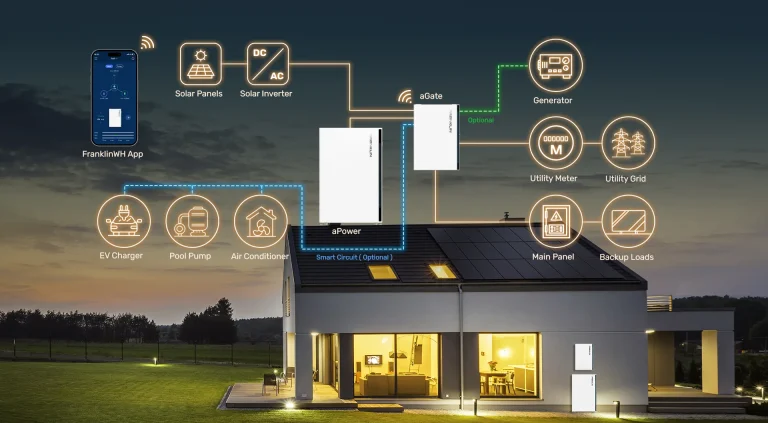
Integration with Smart Home Energy Management
Modern EV charging stations can connect with smart home systems to improve energy efficiency.
Integration options may include:
- Solar energy systems
- Smart electrical panels
- Home automation platforms
- Energy monitoring devices
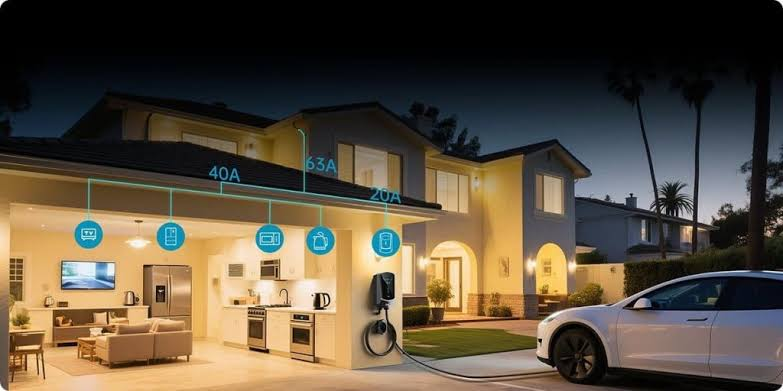
For example, a smart home system can adjust EV charging based on available solar power or household electricity usage.
This integration helps create a more efficient and sustainable residential energy environment.
Solar-Powered EV Charging Solutions
Solar energy and electric vehicle charging are becoming increasingly connected. Homeowners with solar panels can use renewable energy to charge their vehicles.
Solar-powered EV charging provides benefits such as:
- Reduced dependence on grid electricity
- Lower long-term charging costs
- Better energy sustainability
- Efficient use of renewable power
Combining solar panels, battery storage, and smart charging technology can create an advanced residential energy ecosystem.
EV Charging Station Installation Considerations
Installing a home EV charging station requires careful planning to ensure safety and proper performance.
Important considerations include electrical capacity, parking location, charger type, and future vehicle requirements.
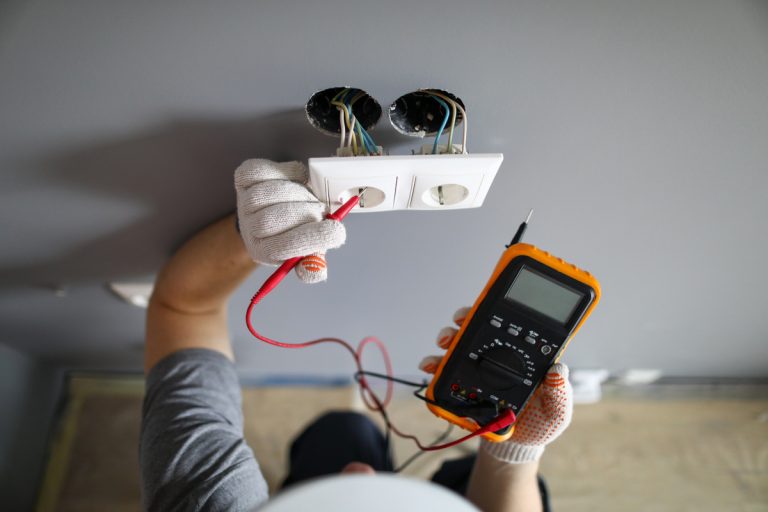
A professional installation helps ensure that wiring, safety systems, and electrical connections meet required standards.
Homeowners should also consider whether the charging station will be installed inside a garage, under a carport, or in an outdoor parking area.
Safety Features of Residential EV Chargers
Safety is an important factor when installing electric vehicle charging equipment. Modern charging stations include several protective technologies.
Common safety features include:
- Overcurrent protection
- Temperature monitoring
- Automatic shutdown systems
- Weather-resistant designs
- Secure electrical connections
These features help protect both the vehicle and the home’s electrical system.
Benefits of Installing an EV Charging Station at Home
Daily Convenience
Homeowners can charge their vehicles overnight or whenever the vehicle is parked, eliminating frequent trips to public charging stations.
Time Savings
A home charging station allows drivers to begin each day with a charged vehicle without waiting at external charging locations.
Better Charging Control
Smart systems provide greater control over charging schedules, energy usage, and vehicle management.
Increased Property Appeal
As electric vehicles become more common, homes with dedicated charging infrastructure may become more attractive to future buyers.
Support for Sustainable Living
Residential EV charging supports cleaner transportation and environmentally responsible lifestyles.
EV Charging Stations and Modern Garage Design
Modern garages are evolving into multifunctional spaces that support electric vehicles, smart storage, and connected technology.
A future-ready garage may include:
- EV charging stations
- Smart lighting
- Automated doors
- Energy monitoring
- Security systems
Integrating EV charging into garage design improves convenience and creates a more advanced residential environment.
Choosing the Right Home EV Charging Station
Selecting the right charging station depends on several factors.
Homeowners should consider their vehicle requirements, daily driving habits, available electrical capacity, and future needs.
Important factors include:
- Charging speed
- Smart features
- Installation requirements
- Compatibility with electric vehicles
- Energy management options
Choosing a system that supports future technology upgrades can provide long-term value.
Future of Residential EV Charging Technology
The future of home EV charging is moving toward greater automation, renewable energy integration, and intelligent energy management.
Future developments may include:
- Vehicle-to-home energy systems
- Advanced smart charging networks
- AI-based charging optimization
- Improved battery integration
- Fully connected residential energy systems
As electric vehicles become more common, home charging stations will become a standard feature in modern residential properties.
Conclusion
Electric vehicle home charging stations are becoming an important part of modern residential design. They provide homeowners with convenient, efficient, and reliable charging solutions while supporting sustainable transportation.
With smart features, solar integration, and advanced energy management capabilities, residential EV chargers are transforming garages and homes into intelligent energy environments.
As the adoption of electric vehicles continues to grow, installing a home charging station is becoming a valuable improvement that enhances convenience, technology, and future property readiness.
Frequently Asked Questions (FAQs)
What is an electric vehicle home charging station?
An electric vehicle home charging station is a dedicated device installed at a residence that charges electric vehicle batteries safely and efficiently.
Can I charge an electric vehicle at home?
Yes, most electric vehicles can be charged at home using either standard outlets or dedicated EV charging stations.
Which type of EV charger is best for residential properties?
Level 2 chargers are commonly preferred for homes because they provide faster charging and better daily convenience compared to standard outlets.
How long does it take to charge an electric vehicle at home?
Charging time depends on the vehicle battery size, charger type, and available electrical power.
Can EV chargers work with solar panels?
Yes, many home EV charging systems can integrate with solar energy systems to provide renewable charging solutions.
Are home EV charging stations safe?
Yes, modern EV chargers include safety features such as overload protection, temperature monitoring, and secure electrical connections.
Do smart EV chargers save electricity?
Smart chargers can improve energy efficiency by scheduling charging, monitoring usage, and adjusting operation based on energy availability.
Can an EV charger increase home value?
A dedicated EV charging station can improve property appeal as electric vehicles become more common among homeowners.
Do I need professional installation for an EV charging station?
Professional installation is recommended to ensure proper electrical connections, safety, and reliable performance.
Are EV charging stations compatible with all electric vehicles?
Most residential EV chargers support many electric vehicle models, but compatibility should always be checked before installation.