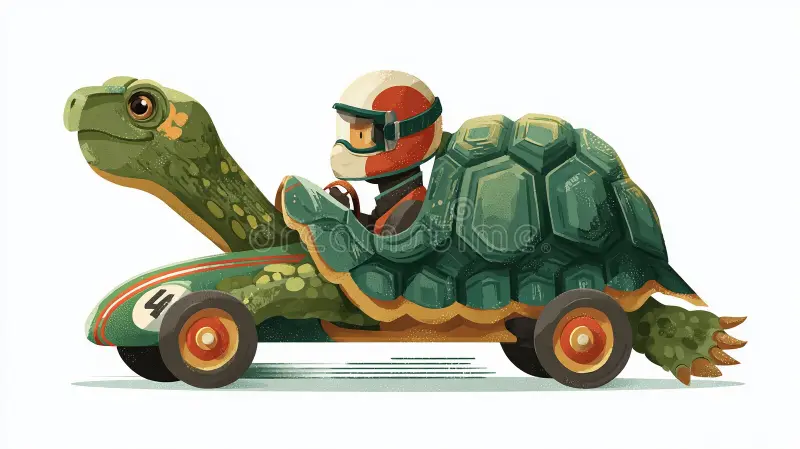
Turtle Car Drawing: A Fun Blend of Creativity and Imagination
Drawing has always been a way for people to express ideas, tell stories, and explore creativity. One of the most interesting and unusual ideas that has gained attention among students, artists, and hobbyists is the concept of turtle car drawing. At first, the phrase might sound unusual, but once you explore it, you will find that it combines two very different objects—a turtle and a car—into a single creative concept.
This article takes a detailed look at what turtle car drawing means, why it is fun to try, and how you can approach it in a step-by-step manner. Whether you are a beginner looking for inspiration or an advanced artist searching for new challenges, this guide will help you understand the concept better.
Understanding the Concept
When people hear the words “turtle” and “car,” they usually imagine them separately. A turtle is known for being slow, steady, and protected by its shell. A car, on the other hand, is linked with speed, design, and human innovation. Combining them into a turtle car drawing creates a playful paradox: a vehicle that might look like a turtle yet functions like a car.
The idea is not about strict realism but about fun interpretation. Artists and learners can take inspiration from cartoons, mechanical designs, or even real turtle features to build their own drawing.
Why Try Turtle Car Drawing?
You may wonder why anyone should even attempt such a concept. The answer is simple: it challenges the imagination. Here are a few reasons why turtle car drawing is worth exploring:
- Creativity boost: Mixing animals with machines opens endless design possibilities.
- Skill practice: It helps you practice sketching curves, shells, wheels, and body structures.
- Unique results: Since it is not a standard subject, every artist’s version looks different.
- Fun factor: It combines humor and creativity, making the drawing process enjoyable.
Breaking Down the Design
To start your turtle car drawing, it is important to identify the features of both objects.
- From the turtle: shell pattern, head, short legs, and tail.
- From the car: wheels, headlights, windows, and body frame.
The challenge lies in deciding which features dominate. Some artists make the shell the car’s roof, while others design the entire car to resemble a turtle from head to tail.
Step-by-Step Guide to Turtle Car Drawing
Here is a simple approach that even beginners can follow:
Step 1: Outline the Shell
Start by drawing an oval or dome shape to represent the turtle’s shell. This will also act as the car’s main body.
Step 2: Add Wheels
Sketch four circular wheels under the shell. Make sure they align like a normal car. These wheels will transform the turtle into a vehicle.
Step 3: Design the Head and Tail
At the front of the shell, add a small rounded head. At the back, sketch a short tail. These small details ensure that the turtle aspect is visible.
Step 4: Include Car Features
Add windows, headlights, and doors on the shell. This step completes the car part of the turtle car drawing.
Step 5: Add Details
You can decorate the shell with geometric patterns, lines, or even racing stripes to enhance the creativity.
Tips for Beginners
When you attempt a turtle car drawing for the first time, keep these tips in mind:
- Use light pencil strokes in the beginning so that mistakes can be erased.
- Focus on shapes first before adding details.
- Look at turtle pictures to study shell patterns.
- Add a playful theme, such as turning it into a cartoon vehicle.
Exploring Styles
A turtle car drawing does not have to follow one style. You can experiment with many approaches:
- Cartoon style: Big eyes, exaggerated wheels, and funny expressions.
- Realistic style: Detailed shell texture and smooth car surfaces.
- Futuristic style: A high-tech shell with glowing lights and sleek design.
- Minimalist style: Just a few lines combining turtle and car features.
Each style gives a different personality to your drawing.
Using Colors
Colors play a huge role in making your turtle car drawing stand out. You can:
- Use green and brown shades for a natural turtle look.
- Add metallic colors like silver or blue to highlight the car design.
- Experiment with bold contrasts, such as a bright red shell with black wheels.
Coloring adds life and makes the idea more engaging.
Educational Benefits
Interestingly, teachers and parents can use turtle car drawing as a creative activity for children. It can teach:
- Observation of natural shapes.
- Understanding of vehicle design.
- Imagination building through blending concepts.
- Patience and fine motor skill practice.
It is not only an art exercise but also a fun learning tool.
Beyond Paper
While traditional drawing is the first step, digital platforms also make turtle car drawing exciting. Software like Photoshop, Illustrator, or even simple mobile apps can be used to add layers, shadows, and unique effects. Some people even take the idea further by creating 3D models or animations.
Conclusion
The idea of turtle car drawing may sound unusual at first, but once you try it, you will realize how creative and enjoyable it can be. It pushes the boundaries of imagination by merging two very different things: the slow but steady turtle and the fast, functional car.
Whether you approach it as a playful cartoon, a realistic sketch, or even a digital design, the results will always be unique. Most importantly, it encourages experimentation and personal creativity, which is the true joy of drawing.
So, grab your pencil, think outside the box, and give turtle car drawing a try—you might discover a whole new side of your artistic skills.