What Actually Sits Behind a Reliable Automotive Stamping Supplier
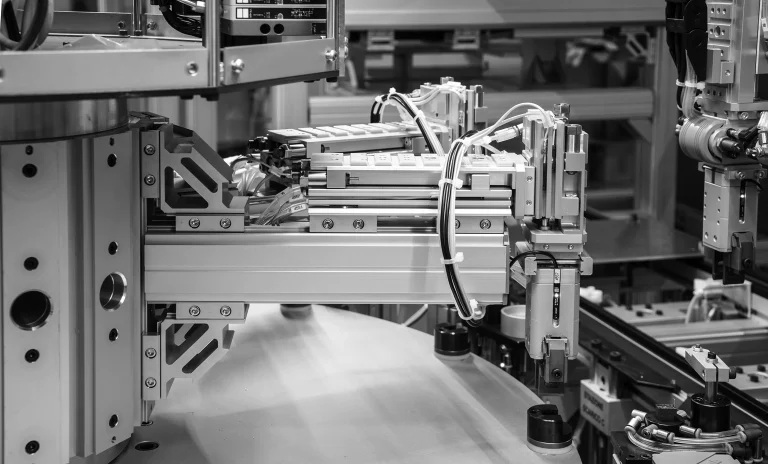
When automotive engineers evaluate a potential stamping supplier, a lot of the conversation understandably focuses on certifications and past project experience. But the equipment a manufacturer actually has on its factory floor plays just as large a role in determining whether parts will be produced consistently at the volumes automotive programs typically require.
Equipment Volume Signals Real Capacity
A manufacturer’s punching machine count is a fairly direct indicator of actual production capacity, since automotive stamping programs frequently require running multiple part numbers simultaneously to meet delivery schedules across different vehicle programs. A facility running a substantial fleet of punching machines, alongside optical grinding machines and wire cutting equipment, is generally better positioned to handle the kind of parallel production demands that automotive supply chains routinely place on their stamping partners.
This matters practically because automotive customers rarely order a single part in isolation. A typical program might require several different terminal, bracket, and connector variants simultaneously, each potentially needing its own dedicated tooling and production run. A facility with limited equipment capacity can end up creating bottlenecks that ripple through an automotive customer’s own assembly schedule.
Inspection Equipment Matters as Much as Production Equipment
Automotive stamping parts need to meet tight tolerances consistently, which is not something that can be verified through visual inspection alone at the volumes automotive production requires. Optical measuring devices and automatic inspection systems allow a manufacturer to check dimensional accuracy far more thoroughly and consistently than manual measurement methods would allow, particularly across large production batches where checking every single unit manually simply is not practical.
This kind of inspection capability directly supports the strict quality inspection systems that automotive quality standards expect, and it is worth asking a potential supplier specifically what inspection equipment they actually operate, rather than accepting a general assurance that quality control is handled internally without further detail.
Thickness Range Capability Reflects Manufacturing Versatility
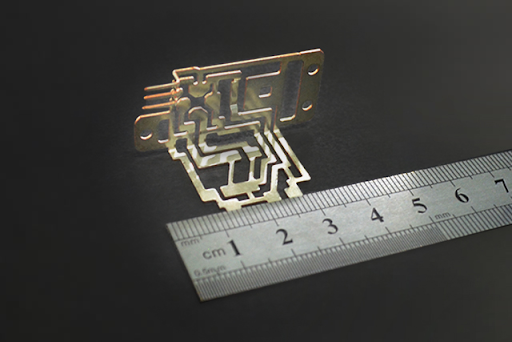
Automotive applications span an unusually wide range of component types, from extremely thin, delicate sensor parts to heavier structural brackets. A manufacturer capable of processing material thicknesses from around 0.02 millimeters up to 3.0 millimeters within a single manufacturing capability offers considerably more flexibility than one limited to a narrower range, since it means an automotive customer does not necessarily need to split an order across multiple suppliers just to cover different component thickness requirements within the same vehicle program.
Why Decades of Experience Actually Matters Here
Automotive stamping is a discipline where accumulated experience genuinely shows up in the final product. Manufacturing knowledge built up over decades, particularly around precision die design and metal forming technology, tends to translate into fewer production surprises and more consistent tooling performance over long production runs. A manufacturer with 90 or more years of overall manufacturing history, even if not all of that time was specifically focused on automotive work, generally brings a depth of tooling and process knowledge that newer entrants to the field have simply not had time to accumulate yet.
Asking to See the Facility Rather Than Just the Brochure
Marketing materials and spec sheets can describe equipment in general terms, but there is real value in requesting a facility visit or a detailed equipment list before committing to a supplier relationship for a significant automotive program. Seeing how equipment is actually maintained, how organized the production floor is, and how inspection stations are integrated into the actual workflow tends to reveal far more about a manufacturer’s genuine capability than a written description ever could. For automotive programs involving significant volume commitments, this kind of direct verification is a reasonable and fairly standard part of the supplier qualification process, rather than an excessive or unusual request.
Putting This Together When Evaluating a Supplier
For anyone responsible for sourcing automotive stamping parts, it is worth going beyond a supplier’s certifications and asking specific questions about actual equipment inventory, inspection capability, and thickness processing range. These details give a much clearer, more concrete picture of whether a manufacturer can realistically support the production volumes and part diversity that a real automotive program demands, rather than relying purely on general claims about quality and experience that are harder to verify directly.