Energy Efficiency and Maintenance: The Two Numbers That Matter Most Over an Elevator’s Lifetime
When people evaluate elevator equipment, the conversation often centers on upfront cost and appearance. Two factors that matter far more over the actual lifetime of the system tend to get less attention: how efficiently the elevator uses energy day to day, and how well it gets maintained once it is installed. Both of these come down significantly to the control panel itself.
How the Control Panel Affects Energy Use
An elevator’s energy consumption is not just a function of the motor size or the weight it needs to lift. The control panel plays a direct role by managing how intelligently the elevator operates. By optimizing dispatch decisions, reducing unnecessary trips, and managing motor operation more efficiently, a well designed control system can meaningfully reduce the total energy an elevator consumes over the course of a day, without the passenger experience feeling any different.
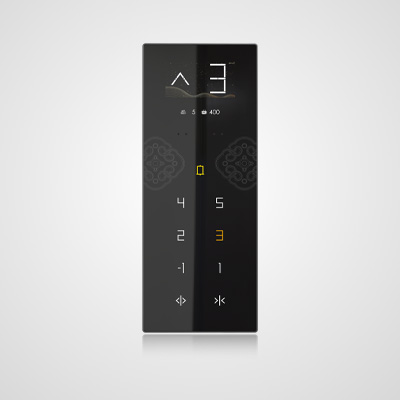
Elevator control panel systems built with energy efficiency as a design priority, such as those produced by GOTS Elevator, are described as intelligently managing elevator operations specifically to reduce energy consumption while also enabling faster, more efficient transportation for passengers. This dual benefit matters for building owners, since it means efficiency improvements do not have to come at the cost of a slower or less responsive elevator.
Why This Adds Up Over Time
A single elevator trip does not use much energy in isolation, but multiply that by dozens or hundreds of trips a day, across a building’s entire operational lifetime, and the difference between an efficiently managed system and a poorly optimized one becomes a meaningful line item on a building’s utility costs. For property managers responsible for operating budgets, this is exactly the kind of behind the scenes efficiency gain that is easy to overlook when comparing equipment on price alone, but that pays for itself steadily over years of operation.
Maintenance Is Where Reliability Actually Gets Protected
Energy efficiency matters, but none of it holds up if the equipment is not properly maintained. Manufacturers generally recommend maintenance at regular intervals, typically somewhere in the range of every twelve to twenty four months, to keep a control panel operating at the performance level it was designed for. Skipping or delaying this kind of maintenance does not usually cause an immediate failure, which is part of why it gets neglected, but it gradually increases the risk of a breakdown or of the system quietly drifting away from its optimal energy performance.
What Ongoing Support Should Actually Include
Beyond scheduled maintenance visits, real-time diagnostics and monitoring capability give facilities teams a way to catch developing problems before they become full breakdowns. Systems that support remote monitoring and predictive maintenance allow a technician to identify an issue based on data trends, rather than waiting for a component to fail outright and disrupt the building’s elevator service entirely. This kind of ongoing support, paired with regular scheduled maintenance and troubleshooting services, tends to be what actually determines whether an elevator system delivers reliable service for its full expected lifespan or starts causing recurring problems well before that point.
Thinking About the Full Lifecycle, Not Just the Purchase
For anyone specifying or replacing elevator equipment, it is worth asking a supplier directly about both energy management features and the maintenance support structure that comes with the equipment, rather than focusing purely on the initial purchase price. A control panel that saves meaningfully on energy costs while also being well supported through regular maintenance and diagnostics tends to represent a far better long term value than one that looks cheaper upfront but lacks either of these qualities.
Elevators are a long term investment by nature, often running for well over a decade inside the same building. Choosing equipment with these two factors genuinely built in, rather than treated as an afterthought, is one of the more practical ways to protect that investment over its full working life.