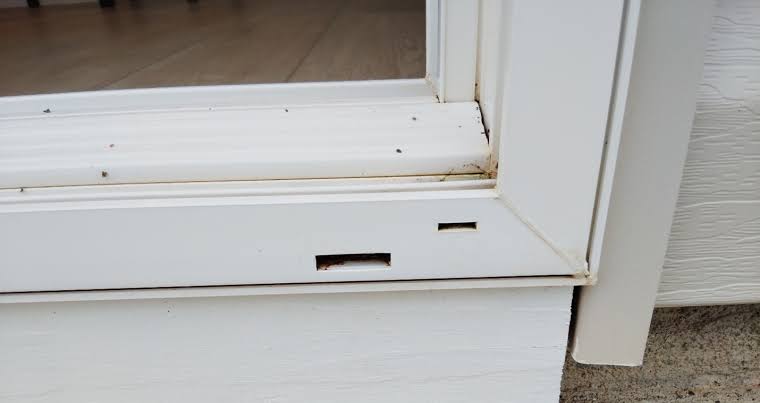
Window Weep Holes Explained: Why Blocking Them Can Lead to Rot and Mold
Many homeowners spend time checking their windows for cracks, broken seals, and damaged frames, but one small feature often gets ignored: window weep holes. These tiny openings may look unnecessary or even like manufacturing flaws, but they play an important role in protecting a home from moisture damage.
Window weep holes are designed to allow trapped water to escape from inside the window frame. When they become blocked by dirt, paint, caulk, or debris, water can collect where it should not. Over time, this trapped moisture can contribute to problems such as wood rot, mold growth, damaged window components, and even interior wall damage.
Understanding how window weep holes work and how to maintain them is a simple but valuable part of home maintenance.
What Are Window Weep Holes?
Window weep holes are small drainage openings usually located along the bottom edge of exterior window frames. They are commonly found in vinyl, aluminum, and some composite window systems.
Their main purpose is to provide a pathway for water to leave the window assembly.
Even well-installed windows are exposed to moisture. Rain, condensation, humidity, and wind-driven water can enter parts of the window system. This does not always mean the window is defective. Modern windows are designed with internal drainage channels that collect this moisture and direct it toward the weep holes.
The holes allow the water to drain outside instead of remaining trapped inside the frame.
Without this drainage system, water can accumulate and slowly damage surrounding materials.
How Window Weep Holes Protect Your Home
A window is not just a piece of glass surrounded by a frame. It is a system made of multiple parts that work together to control air, water, and temperature.
When rain hits a window, some moisture may enter the outer frame through small gaps or moving parts. Internal channels guide this water downward until it reaches the drainage openings.
The weep holes help prevent:
- Water buildup inside the window frame
- Rust on metal components
- Deterioration of wooden materials
- Mold growth caused by trapped moisture
- Damage around interior window areas
They are especially important in areas that experience heavy rainfall, high humidity, or frequent temperature changes.
What Happens When Weep Holes Become Blocked?
Blocked weep holes may not create an immediate visible problem. In many cases, homeowners only notice an issue after moisture damage has already started.
Here are some common consequences.
Water Accumulation Inside the Window Frame
When water cannot escape, it stays inside the window structure. During cold weather, trapped water can freeze and expand, putting pressure on window components.
In warmer conditions, standing moisture creates an ideal environment for mold and bacteria growth.
Over time, repeated moisture exposure weakens materials and reduces the lifespan of the window.
Wood Rot Around Window Areas
Many older homes and some traditional window designs include wooden components around window openings. When moisture remains trapped near these areas, the wood can absorb water.
Constant exposure can cause:
- Soft or damaged wood
- Peeling paint
- Swollen frames
- Structural deterioration
Wood rot often begins slowly and may not be visible until the damage becomes serious.
Mold Growth and Indoor Air Problems
Moisture is one of the biggest factors behind mold growth. A blocked drainage system can allow damp conditions to develop around windows.
Signs of possible moisture-related mold problems include:
- Dark spots around window corners
- Musty odors
- Discoloration on walls
- Peeling paint near window frames
While window weep holes are not the only cause of mold issues, blocked drainage can contribute to a moisture environment where mold develops more easily.
Why Homeowners Accidentally Block Weep Holes
Many blocked weep holes happen because people do not realize they serve a purpose.
Common causes include:
Painting Over the Holes
During exterior painting projects, homeowners or contractors may accidentally cover small drainage openings with paint.
Several layers of paint can reduce or completely stop water flow.
Applying Exterior Caulk Incorrectly
Caulking around windows can improve protection against drafts and water leaks, but applying sealant over drainage openings creates problems.
The goal is to seal areas where water should not enter while keeping drainage paths open.
Dirt and Outdoor Debris
Over time, weep holes can collect:
- Dust
- Leaves
- Spider webs
- Insect nests
- Small pieces of dirt
Regular cleaning helps maintain proper drainage.
Insects and Small Pests
Some insects may use small openings as shelter. In certain situations, debris from nests can block drainage channels.
How to Check If Your Window Weep Holes Are Working
Checking window drainage does not require professional equipment.
Start by inspecting the bottom edge of your exterior window frame. Look for small openings or slots.
You can test drainage by gently pouring a small amount of water into the inside drainage area of the window track. If the system is working properly, water should exit through the exterior openings.
If water remains trapped, the drainage path may be blocked.
Safe Ways to Clean Blocked Weep Holes
Cleaning weep holes is usually a simple maintenance task.
You can use:
- A soft brush
- A vacuum with a narrow attachment
- Compressed air
- A small plastic cleaning tool
Avoid using sharp metal objects that could damage internal drainage channels.
Do not enlarge the holes or modify the window frame. The openings are designed according to the window manufacturer’s specifications.
Should You Cover Window Weep Holes?
A common mistake is covering weep holes because homeowners believe they allow insects, dust, or cold air to enter.
In most cases, they should remain open.
Some window systems include protective covers or screens designed to prevent pests while allowing water drainage. However, completely sealing the openings can create moisture problems.
A functioning drainage system is usually more important than preventing occasional debris entry.
When Should You Call a Professional?
Cleaning blocked weep holes is often a simple DIY task, but professional help may be needed if you notice:
- Rot around the window frame
- Water stains on interior walls
- Repeated leaks after cleaning
- Damaged window seals
- Soft or swollen materials around the opening
A professional window contractor can inspect whether the problem is caused by blocked drainage, improper installation, damaged flashing, or another issue.
Preventing Future Window Moisture Problems
Regular maintenance can prevent many window-related problems.
Homeowners should:
- Inspect window frames every year
- Keep exterior drainage areas clear
- Avoid painting over weep holes
- Check caulking conditions around windows
- Clean window tracks regularly
- Watch for early signs of moisture damage
Small maintenance tasks can protect expensive window systems and prevent larger repair costs.
Final Thoughts
Window weep holes may be small, but they perform an important job in protecting homes from moisture damage. They are part of the window’s drainage system and help remove water before it can create problems.
Blocking these openings may seem harmless, but over time it can contribute to trapped moisture, wood rot, mold growth, and costly repairs.
Understanding how weep holes work allows homeowners to maintain their windows properly and protect the long-term condition of their property. A few minutes of inspection and cleaning each year can help keep windows functioning efficiently for many years.