Residential Garden Drainage Systems for Preventing Landscape Damage
A beautiful residential garden requires more than attractive plants, decorative features, and well-designed outdoor spaces. Proper water management is one of the most important aspects of maintaining a healthy and functional landscape. Without an effective drainage system, excessive rainwater, irrigation overflow, and poor soil absorption can create serious problems such as soil erosion, plant damage, flooding, and foundation issues.
Residential garden drainage systems provide a practical solution by controlling water movement and directing excess moisture away from vulnerable areas. Modern drainage designs combine functionality with landscape aesthetics, allowing homeowners to protect their gardens while maintaining an attractive outdoor environment.
From French drains and surface channels to rain gardens and smart irrigation solutions, today’s drainage systems help prevent landscape damage while supporting healthier plants and more durable outdoor spaces.
The Importance of Garden Drainage Systems
Water is essential for plant growth, but excessive moisture can harm landscapes. When water collects in certain areas, it prevents oxygen from reaching plant roots and creates conditions that encourage disease, mold, and insect problems.
A properly designed garden drainage system helps:
- Prevent standing water
- Protect plants from root damage
- Reduce soil erosion
- Maintain healthy lawn areas
- Protect outdoor structures
- Prevent basement and foundation moisture problems
- Improve overall landscape durability
Effective drainage ensures that water moves naturally through the garden without causing damage.
Common Causes of Residential Garden Drainage Problems
Understanding the cause of drainage issues is the first step toward selecting the right solution. Several factors can contribute to poor water management.
Heavy Rainfall
Large amounts of rainwater can quickly overwhelm soil absorption capacity, causing puddles and flooding.
Poor Soil Conditions
Clay-heavy soils often drain slowly because water cannot move easily through compacted particles.
Incorrect Landscape Slope
Flat or improperly graded gardens may allow water to collect instead of flowing away naturally.
Excessive Irrigation
Overwatering lawns and plants can create moisture problems similar to heavy rainfall.
Blocked Drainage Paths
Leaves, debris, and soil buildup can prevent existing drainage systems from working properly.
Signs Your Garden Needs a Drainage System
Homeowners should look for warning signs that indicate drainage problems.
Common indicators include:
- Water pooling after rainfall
- Muddy garden areas
- Yellowing plants
- Lawn areas that remain wet
- Soil erosion around pathways
- Cracks or moisture near outdoor walls
- Mosquito activity caused by standing water
Early identification helps prevent more expensive landscape repairs in the future.
Modern Residential Garden Drainage Solutions
Modern drainage systems are designed to manage water effectively while blending with landscape designs. The best solution depends on garden size, soil type, climate, and water flow patterns.
French Drain Systems for Garden Water Control
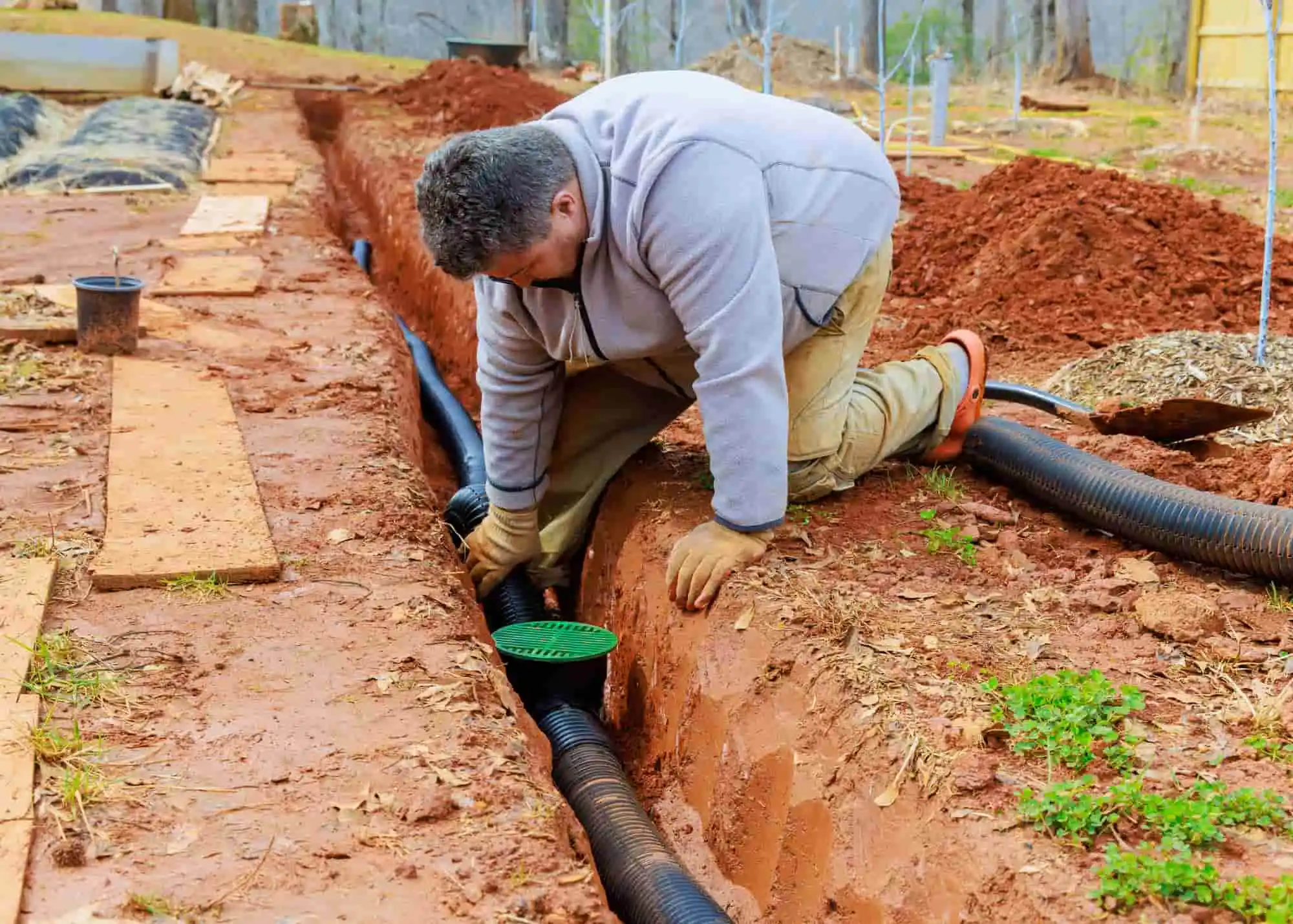
French drains are one of the most popular residential drainage solutions. They use a perforated pipe surrounded by gravel or drainage material to collect and redirect underground water.
A typical French drain includes:
- Perforated drainage pipe
- Gravel or stone layer
- Filter fabric
- Protective covering
French drains are effective for:
- Waterlogged lawns
- Sloped gardens
- Areas with poor soil drainage
- Excess groundwater problems
Because they remain mostly hidden underground, French drains maintain the visual appeal of landscaped areas.
Surface Drainage Channels
Surface drainage systems remove visible water from garden areas through channels installed along pathways, patios, and low points.
These systems may include:
- Linear drains
- Trench drains
- Grated channels
- Concrete drainage channels
Surface drainage is useful for areas where rainwater collects quickly, such as:
- Driveways
- Outdoor kitchens
- Patios
- Pool surroundings
Modern channel drains are available in decorative designs that integrate with outdoor flooring materials.
Rain Gardens for Natural Water Management
Rain gardens are an eco-friendly drainage solution that uses plants and soil layers to naturally absorb and filter rainwater.
A rain garden typically includes:
- Water-tolerant plants
- Special soil mixtures
- Decorative stones
- Natural drainage layers
Benefits include:
- Reduced stormwater runoff
- Improved garden biodiversity
- Natural filtration
- Attractive landscape design
Rain gardens are especially suitable for homeowners who want sustainable outdoor solutions.
Dry Well Drainage Systems
Dry wells provide underground storage areas where excess water can slowly absorb into surrounding soil.
They are commonly used for:
- Roof runoff management
- Small garden flooding problems
- Areas without direct drainage outlets
A dry well collects water temporarily and releases it gradually, preventing surface flooding.
Garden Swales for Landscape Drainage
Swales are shallow landscaped channels designed to guide water naturally through outdoor spaces.
Unlike traditional drains, swales use natural shapes and vegetation to manage water movement.
Advantages include:
- Attractive appearance
- Low maintenance
- Natural water control
- Support for native plants
Modern landscape designers often incorporate swales as decorative garden features rather than treating them as purely functional elements.
Permeable Landscaping Surfaces
Hard surfaces such as concrete prevent water from entering the soil, increasing runoff problems. Permeable materials allow rainwater to pass through and reduce drainage pressure.
Examples include:
- Permeable pavers
- Gravel pathways
- Porous concrete
- Natural stone surfaces
These materials improve water absorption while creating attractive outdoor areas.
Gutter and Downspout Drainage Systems
Roof water is a major source of garden moisture problems. Poorly managed downspouts can release large amounts of water near foundations and planting areas.
Effective solutions include:
- Extended downspout pipes
- Underground drainage connections
- Rainwater collection systems
- Decorative water channels
Proper gutter drainage protects both landscapes and home structures.
Landscape Grading for Better Water Flow
Proper grading is one of the most important elements of garden drainage design. The ground should slope gently away from buildings and toward appropriate drainage areas.
Benefits of correct grading include:
- Reduced foundation moisture
- Improved lawn health
- Better rainwater movement
- Prevention of soil erosion
Professional landscape grading creates a natural drainage pattern without relying entirely on mechanical systems.
Smart Irrigation Systems for Water Management
Modern irrigation technology helps prevent drainage problems caused by excessive watering.
Smart irrigation systems use:
- Soil moisture sensors
- Weather monitoring
- Automated schedules
- Water usage tracking
These systems provide plants with the right amount of water while preventing unnecessary moisture buildup.
Benefits include:
- Healthier plants
- Reduced water waste
- Lower maintenance
- Improved garden efficiency
Drainage Solutions for Different Garden Areas
Different landscape zones require specific drainage approaches.
Lawn Areas
Lawns often suffer from compacted soil and standing water. Solutions may include:
- Aeration
- French drains
- Surface channels
- Soil improvement
Flower Gardens
Plant beds require balanced moisture levels. Raised beds, improved soil mixtures, and targeted irrigation help maintain healthy growth.
Patios and Outdoor Living Areas
Patios need efficient drainage to prevent slippery surfaces and water damage.
Useful options include:
- Linear drains
- Sloped surfaces
- Permeable materials
Pool Areas
Swimming pool surroundings require careful drainage to prevent water accumulation.
Common solutions include:
- Channel drains
- Deck drainage systems
- Proper grading
Benefits of Professional Garden Drainage Installation
While small drainage improvements can be handled by homeowners, professional installation provides better long-term results for complex problems.
Professionals can evaluate:
- Soil conditions
- Water flow patterns
- Landscape design
- Drainage requirements
Professional drainage planning helps prevent incorrect installations that may fail during heavy rainfall.
Choosing the Right Garden Drainage System
The ideal drainage solution depends on several factors.
Climate Conditions
Areas with heavy rainfall require stronger drainage systems compared to dry regions.
Soil Type
Clay soils may need additional drainage support, while sandy soils naturally drain faster.
Garden Size
Large landscapes may require multiple drainage methods working together.
Landscape Design
Drainage systems should complement outdoor aesthetics rather than negatively affecting appearance.
Maintenance Requirements
Choose systems that are easy to inspect and maintain over time.
Maintenance Tips for Residential Drainage Systems
Even well-designed drainage systems require regular maintenance.
Important tasks include:
- Cleaning drainage channels
- Removing leaves and debris
- Checking pipes for blockages
- Maintaining rain gardens
- Inspecting water flow after storms
Regular maintenance ensures the system continues protecting the landscape effectively.
Sustainable Garden Drainage Approaches
Modern homeowners are increasingly choosing environmentally friendly drainage solutions.
Sustainable methods include:
- Rainwater harvesting
- Native plants
- Permeable surfaces
- Natural drainage landscapes
- Eco-friendly irrigation systems
These approaches reduce environmental impact while creating healthier outdoor spaces.
Conclusion
Residential garden drainage systems play an essential role in protecting landscapes from water-related damage. Without proper drainage, excess moisture can harm plants, damage outdoor structures, and reduce the beauty and functionality of gardens.
Modern solutions such as French drains, rain gardens, surface channels, smart irrigation, and permeable landscaping provide effective ways to manage water while maintaining attractive outdoor environments.
A well-designed drainage system is not only a protective feature but also an important part of sustainable landscape design. By planning proper water management, homeowners can create healthier gardens, prevent costly repairs, and enjoy beautiful outdoor spaces for many years.