Smart Home Renovation Ideas for Creating a Comfortable and Elegant Living Space
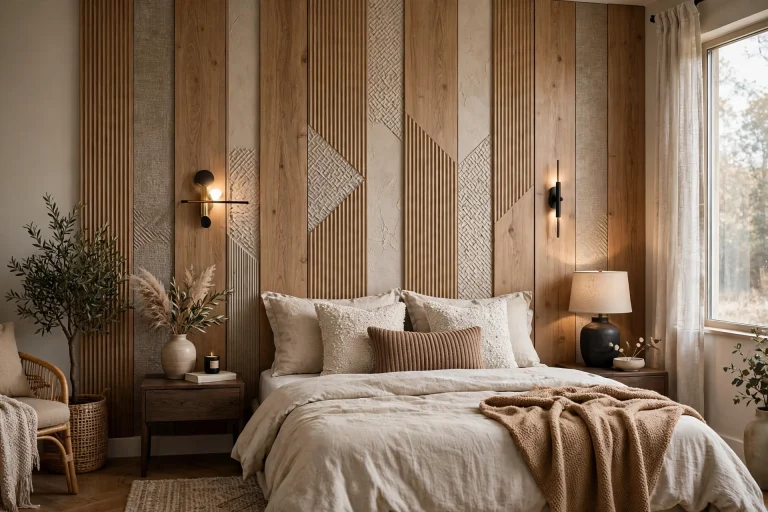
A smart renovation is not about filling a house with gadgets. It is about making deliberate choices — in layout, lighting, climate, storage, and materials — so the home feels comfortable every day and elegant every time you walk through the door. Comfort means rooms that stay warm in winter and cool in summer, quiet enough to rest in, and easy to move through. Elegance means calm surfaces, consistent finishes, and nothing fighting for attention. When the two are planned together, the result is a home that works beautifully and looks it too.
This guide shows how to plan a renovation in the right order: function first, then comfort, then the elegant layer on top. It covers the smart systems worth installing during a renovation, the kitchen and bathroom choices that add daily luxury, and the quieter upgrades — sound, air, and storage — that separate a truly comfortable home from one that merely looks new. Costs are given only as broad guides, because prices vary widely by region, materials, and the condition of the existing house.
The Short Answer: What Makes a Renovation Smart and Elegant at Once?
A smart renovation plans comfort and elegance together from the start: it improves insulation, light, and layout before spending on finishes, it adds controllable lighting and climate where they are used daily, and it keeps one calm palette and one set of finishes running through the whole house. The most valuable smart upgrades are a smart thermostat with zoned heating, layered dimmable lighting, good insulation and draught-proofing, and built-in storage that keeps surfaces clear. Elegance follows naturally when clutter disappears and the finishes are consistent.
Plan Comfort First, Then Add Elegance on Top
Renovation checklists from designers consistently give the same advice: prioritise function, then enhance comfort, then layer in luxury. That order matters, because no amount of elegant tiling will fix a cold, draughty room or a kitchen where two people cannot pass each other. Start with the building itself — insulation, draught-proofing, window seals, and heating controls — and with the layout: wide walkways of at least 90 centimetres in kitchens, clear routes between rooms, and storage planned into the walls rather than added as furniture afterwards.
Once the bones are right, comfort comes from the senses. Rooms should be warm without being stuffy, lit well enough to read by without glare, and quiet enough that a television in one room does not dominate the next. Only then does the elegant layer make sense: the stone worktop, the timber floor, the statement light. Homeowners who reverse the order — buying the beautiful things first — often find themselves living with a lovely-looking house that is uncomfortable to be in, and fixing comfort afterwards costs far more than building it in from the start.
A Simple Renovation Sequence That Saves Money and Regret
Smart Lighting and Climate That Learn Your Routines
Smart lighting earns its place in a renovation because it changes how every room feels at different times of day. Dimmable LED downlights on a smart switch let a living room shift from bright and practical in the morning to warm and low in the evening, and app or voice control means the lights can be set to scenes — cooking, dining, reading, relaxing — rather than simply on or off. In bedrooms, blackout shades combined with a gentle wake-up light scene make mornings noticeably easier, and motion-sensor path lighting in hallways and bathrooms is a small luxury that prevents fumbling for switches at night.
Elegant Kitchens and Bathrooms That Work Harder
Kitchens and bathrooms are where comfort and elegance meet most directly, because they are used several times a day and every flaw is noticed. In the kitchen, flat-panel cabinets with soft-close drawers and pull-out shelves keep the room quiet and organised, while integrated LED strips under wall cabinets light the worktop without glare. A quartz or granite worktop is durable and easy to clean, and a single large island with seating turns the kitchen into the social heart of the home. Smart appliances — an oven that preheats remotely, a fridge that tracks what is inside — are worth considering only if they genuinely save time for your household, not because they are fashionable.
Bathrooms reward the same thinking on a smaller scale. A curbless walk-in shower with a frameless glass screen makes a small bathroom feel larger and is easier to clean than a tub-shower combination. Floating vanities free up floor space, heated floors turn a cold morning into a pleasant one, and a smart mirror with anti-fog and adjustable lighting removes the daily annoyance of a steamed-up reflection. Water-efficient taps and dual-flush toilets keep running costs down, and under-floor heating in a bathroom is one of the few luxuries that homeowners consistently say they would choose again.
Quiet Comfort: Sound, Air, and Temperature in Every Room
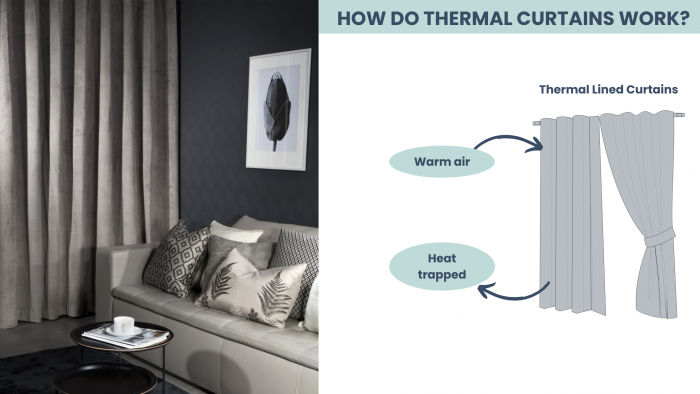
Noise is the most underrated comfort problem in a home. Thin internal walls, hollow doors, and hard floors let sound travel everywhere, so a renovation is the right moment to fix it. Acoustic insulation in bedroom and bathroom walls, solid-core internal doors, and soft furnishings such as rugs, curtains, and upholstered furniture all absorb sound. In a living room, a rug and lined curtains can cut echo dramatically, and in a home office they make video calls far clearer. These changes are invisible once finished, but the house feels calmer from the first evening.
Air quality matters just as much. Good ventilation — trickle vents in windows, an extractor fan in the bathroom that actually vents outside, and a cooker hood that extracts rather than recirculates — keeps a home fresh and prevents the damp and mould that damage both health and finishes. In bedrooms, the ability to darken the room fully and to keep it cool matters more than any decoration: layered window treatments with blackout lining, and a ceiling fan or quiet air circulation, support better sleep than any expensive mattress alone. Comfort, in the end, is mostly about temperature, light, sound, and air — get those right and elegance is easy.
Storage That Keeps an Elegant Home Looking Calm
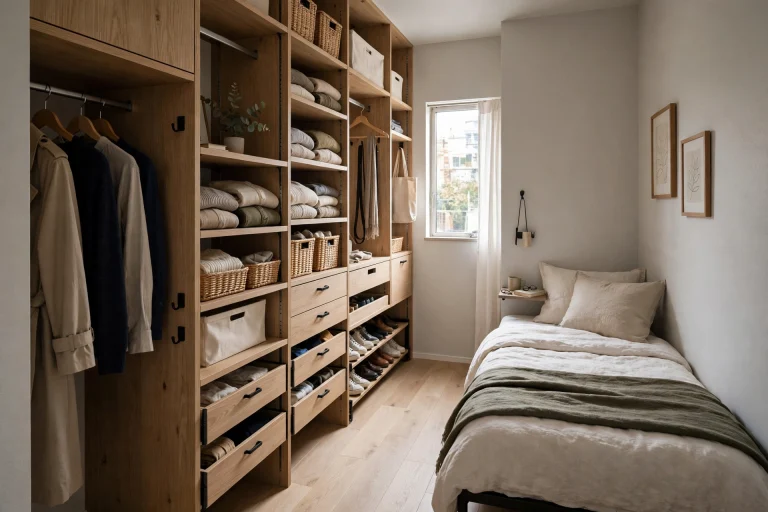
An elegant home is almost always a tidy home, and tidiness is a storage problem, not a willpower problem. The renovation is the moment to build storage into the structure: a hidden pantry beside the kitchen, a bench seat with storage in the hallway, wardrobes that reach the ceiling in bedrooms, and shelving fitted into awkward alcoves and under-stair spaces. When every object has a place, surfaces stay clear, and clear surfaces are what make a room look elegant rather than merely furnished.
The rule is to plan storage room by room, based on what actually lives there. Kitchens need deep drawers and vertical dividers for trays; bathrooms need a mirrored cabinet and a drawer for daily items; entryways need hooks, a shoe drawer, and a shelf for keys; bedrooms need wardrobe organisers and a drawer for charging cables. Built-in storage costs more than freestanding furniture, but it uses dead space, looks intentional, and lasts the life of the house. A home with enough storage does not need constant tidying — it simply stays calm.
Smart Renovation Choices at Three Budget Levels
Smart renovation does not require a large budget, but the choices change with it. At a modest budget, the smartest spending is on draught-proofing, a smart thermostat, dimmable LED lighting, and paint and hardware — all of which improve comfort and appearance for a relatively small outlay. At a mid-range budget, add a kitchen or bathroom refresh, built-in storage, and zoned heating controls. At a higher budget, the options open up to full smart-home automation, underfloor heating, new windows, and a reworked layout. The table below gives a broad guide, not a price promise, because costs vary by region and by the condition of the house.
Elegant-Renovation Pitfalls That Undermine Comfort
The most common pitfall is choosing looks over liveability. A glossy white kitchen floor shows every footprint, a glass staircase looks striking but is noisy and cold underfoot, and an open-plan layout that removes every wall can leave a home with nowhere quiet to retreat to. Elegance that makes daily life harder is not elegance — it is a showroom. Test every choice against a normal day: will this floor survive muddy shoes, will this worktop stain from coffee, will this room be usable when guests stay over?
Electrical, Structural, and Gas Work: Leave These to Licensed Pros
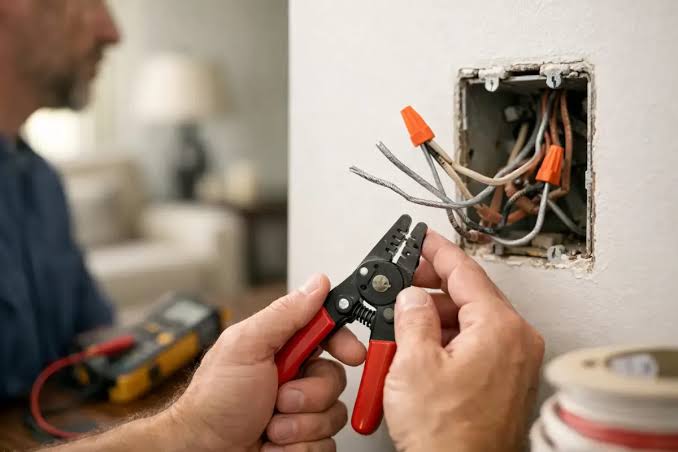
A smart renovation touches the systems that keep a house safe, so the professional boundary matters more here than in a cosmetic makeover. Any new circuit, a consumer unit replacement, or wiring for smart lighting and underfloor heating should be installed by a qualified electrician and certified on completion. Structural changes — removing walls, cutting new openings, or altering roof timbers — need a structural engineer’s assessment and, in many areas, building control approval before work starts.
Gas work, including moving a boiler or a cooker, must be carried out by a registered gas engineer, and any work involving asbestos, lead paint, or serious mould should be assessed by a specialist before it is disturbed. Permits and inspections vary by location, so check local building regulations early; discovering that a finished renovation needs retrospective approval is expensive and stressful. A licensed professional costs more than a DIY attempt, but for electrical, gas, and structural work the cost is the price of a safe house, and it is not negotiable.
Final Thoughts: Comfort and Elegance Can Share the Same Renovation
A smart renovation does not force a choice between a comfortable home and an elegant one. When insulation, light, sound, and storage are planned first, and a calm, consistent palette is layered on top, the two goals support each other: the house feels good to live in and looks good to look at, every day rather than only on the day the photos are taken. Start with the building, add the systems that make daily life easier, and let elegance be the quiet result of good decisions rather than the loud result of expensive ones.
Smart Home Renovation FAQs
What is the smartest first upgrade in a home renovation?
Insulation and draught-proofing come first, because they improve comfort in every room and reduce heating and cooling costs all year. After that, a smart thermostat and layered dimmable lighting give the biggest daily improvement for a relatively modest spend, and both are easy to add during any renovation.
Do I need a full smart-home system, or can I add smart features gradually?
You can add them gradually, and most homeowners do. Start with a smart thermostat and smart lighting in the rooms you use most, and make sure each device also works from a manual switch. A full automation system is worth considering only during a major renovation, when cables and controllers can be installed while walls are open.
How much should I budget for a smart renovation?
There is no single figure, because scope and region vary so widely. A useful approach is to price the essential work — insulation, heating, and layout — first, then add finishes and smart systems from what remains, keeping around 20 percent of the total in reserve as a contingency for the surprises that most renovations uncover.
Can smart renovations make a small home feel larger?
Yes. Open-plan layouts, built-in storage, large mirrors, consistent flooring, and layered lighting all make small rooms feel bigger, and smart features such as automated blinds and zoned heating make a small home more comfortable to live in without adding square footage.
What smart features actually add value to a home?
Buyers tend to value practical systems — efficient heating controls, good insulation, quality lighting, and reliable security — more than novelty gadgets. Choose systems from established brands with long-term support, and avoid anything that only works with one phone or one app, since the next owner may not use it.
Is underfloor heating worth it in a renovation?
Underfloor heating gives very even warmth and frees up wall space taken by radiators, and it works particularly well in kitchens and bathrooms with hard floors. It is most cost-effective when floors are already being replaced, because installing it under an existing finished floor is far more disruptive and expensive.