Why Crawl Space Encapsulation Is Becoming a Priority for Energy-Efficient Homes
A crawl space is one of the most overlooked areas of a home, but it can have a major impact on comfort, indoor air quality, energy bills, and the overall health of a building. For many years, homeowners treated crawl spaces as simple storage areas or ignored them completely. However, as energy efficiency and healthier living environments become bigger priorities, crawl space encapsulation is gaining attention as an important home improvement solution.
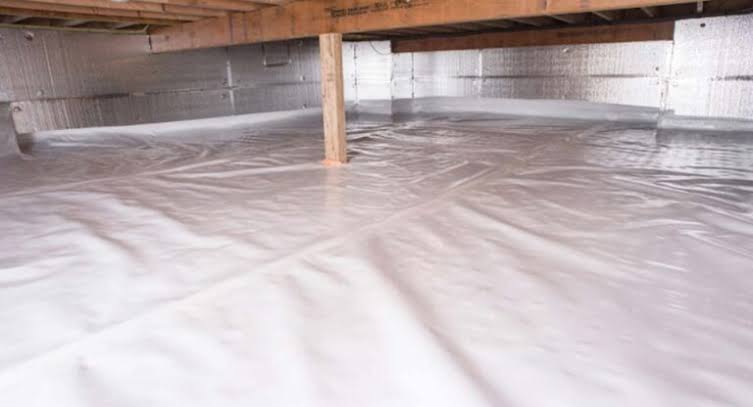
Crawl space encapsulation involves sealing and protecting the crawl space by installing moisture barriers, insulating walls, sealing air leaks, and controlling humidity levels. The goal is to create a cleaner, more stable environment beneath the home that supports better performance throughout the entire property.
Modern homeowners are looking beyond cosmetic upgrades. They are investing in improvements that reduce long-term costs, improve comfort, and protect the structure of their homes. This is one of the main reasons crawl space encapsulation is becoming a popular choice for energy-efficient homes.
What Is Crawl Space Encapsulation?
Crawl space encapsulation is the process of transforming an open or vented crawl space into a sealed area that is protected from outside moisture and air movement.
Traditional crawl spaces often have vents that allow outdoor air to enter. While this design was once considered useful for preventing moisture buildup, many experts now recognize that uncontrolled airflow can create problems, especially in humid climates.
During encapsulation, professionals typically install:
- A heavy-duty vapor barrier across the crawl space floor and walls
- Sealed vents and openings
- Insulation materials
- Air sealing around pipes, ducts, and gaps
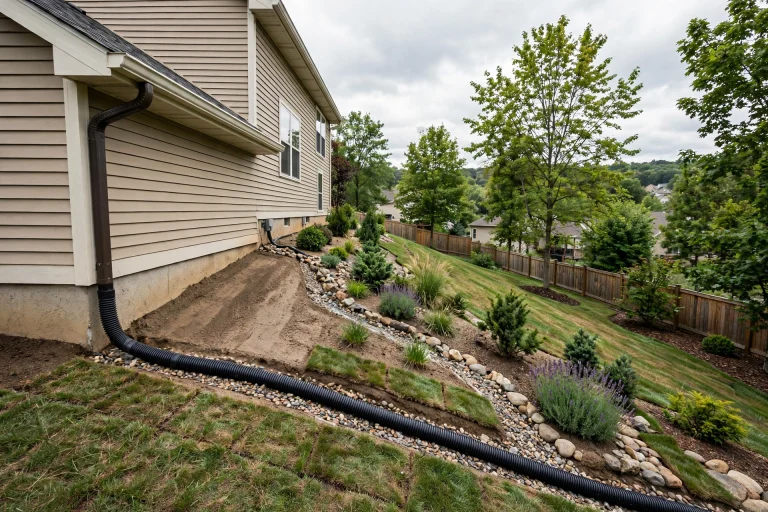
- Drainage solutions when needed
- Humidity control systems such as dehumidifiers
The result is a cleaner and more controlled space that helps the home operate more efficiently.
How Crawl Space Encapsulation Improves Energy Efficiency
Energy efficiency is not only about installing efficient appliances or upgrading windows. A home’s performance depends on how well the entire structure controls air movement, temperature, and moisture.
An unsealed crawl space can allow unwanted air exchange between the outside environment and the living areas above. This can make heating and cooling systems work harder.
Encapsulation helps by reducing air leaks and creating a better thermal boundary. During hot summers, it helps prevent warm, humid air from entering the home. During colder months, it reduces heat loss through the floor.
This means HVAC systems may not need to run as frequently to maintain comfortable indoor temperatures, which can contribute to lower energy consumption.
Moisture Control Is One of the Biggest Benefits
Moisture is one of the biggest enemies of any home. Excess humidity in a crawl space can lead to mold growth, wood deterioration, unpleasant odors, and structural issues.
Many crawl spaces experience moisture problems because of:
- Poor drainage around the foundation
- Groundwater movement
- High outdoor humidity
- Plumbing leaks
- Condensation
- Soil moisture evaporation
Encapsulation creates a barrier between the crawl space and these moisture sources. A properly installed vapor barrier prevents water vapor from rising through the ground, while sealed openings reduce exposure to humid outdoor air.
By controlling moisture, homeowners can help protect wooden beams, floor joists, insulation materials, and other important structural components.
Better Indoor Air Quality for the Home
Many homeowners do not realize that the air inside their homes can be influenced by conditions below the floor. Because crawl spaces are connected to the living areas through small gaps and air movement, pollutants and odors can sometimes travel upward.
A damp crawl space can contribute to:
- Musty smells
- Mold spores
- Poor indoor air quality
- Increased allergens
Encapsulation creates a cleaner environment underneath the home and reduces the movement of unwanted particles into living spaces.
For families who are focused on creating healthier homes, this improvement can be an important part of a larger indoor air quality strategy.
Helps Protect the Home’s Structure
A home’s foundation and framing system depend on a stable environment. Excess moisture can weaken wooden components over time and create conditions where pests and fungi become more likely.
A crawl space with uncontrolled moisture may experience:
- Rotting floor joists
- Damaged insulation
- Corrosion of metal components
- Pest activity
- Foundation-related concerns
Encapsulation does not solve every foundation problem, but it can significantly reduce moisture-related risks when combined with proper drainage and maintenance.
Is Crawl Space Encapsulation Worth the Cost?
The cost of crawl space encapsulation varies depending on factors such as crawl space size, existing damage, accessibility, insulation requirements, and moisture conditions.
Some homeowners hesitate because it is not a visible upgrade like a kitchen renovation or bathroom remodel. However, the value comes from long-term benefits rather than immediate appearance.
Potential advantages include:
- Improved energy efficiency
- More consistent indoor temperatures
- Lower risk of moisture damage
- Better air quality
- Increased home protection
- Improved resale appeal
For homeowners planning to stay in their property for many years, encapsulation can be a valuable investment in the home’s performance.
Common Mistakes to Avoid With Crawl Space Encapsulation
Although encapsulation offers many benefits, poor installation can create new problems. It is important to address existing issues before sealing the space.
Some common mistakes include:
Sealing a Wet Crawl Space Without Repairs
Encapsulation should not simply trap existing moisture inside. Any leaks, drainage problems, or standing water issues should be corrected first.
Using Low-Quality Materials
A thin or weak vapor barrier may not provide long-term protection. Quality materials designed for crawl spaces are important for durability.
Ignoring Ventilation and Humidity Control
A sealed crawl space still requires proper humidity management. In some homes, a dehumidifier or controlled ventilation system may be necessary.
Skipping Professional Evaluation
Every crawl space is different. Factors such as climate, soil conditions, foundation type, and existing damage should be considered before starting the project.
Is Crawl Space Encapsulation Suitable for Every Home?
While many homes can benefit from encapsulation, the right approach depends on the property’s design and location.
Homes in humid regions often see significant benefits because moisture control is a major challenge. Properties with older crawl spaces, poor insulation, or recurring humidity problems may also be strong candidates.
However, homeowners should have the space inspected before making a decision. A professional assessment can identify whether encapsulation, drainage improvements, insulation upgrades, or another solution is the best option.
The Future of Energy-Efficient Home Improvements
As homeowners become more aware of energy costs and environmental impact, improvements that increase overall efficiency are becoming more popular. Crawl space encapsulation fits into a larger movement toward creating smarter, healthier, and more durable homes.
Modern energy-efficient homes are not only focused on visible features like solar panels, smart thermostats, or efficient appliances. They also focus on hidden areas that influence performance, including foundations, insulation systems, and air sealing.
A properly managed crawl space can play an important role in making a home more comfortable and efficient.
Final Thoughts
Crawl space encapsulation is becoming a priority for energy-efficient homes because it addresses several important issues at once. It helps control moisture, improves temperature stability, protects structural components, and supports better indoor air quality.
While it may not be the most noticeable home improvement project, the benefits can be significant over time. For homeowners looking to improve efficiency and protect their property, evaluating the condition of the crawl space can be a smart step toward creating a healthier and more energy-conscious home.